
The short answer
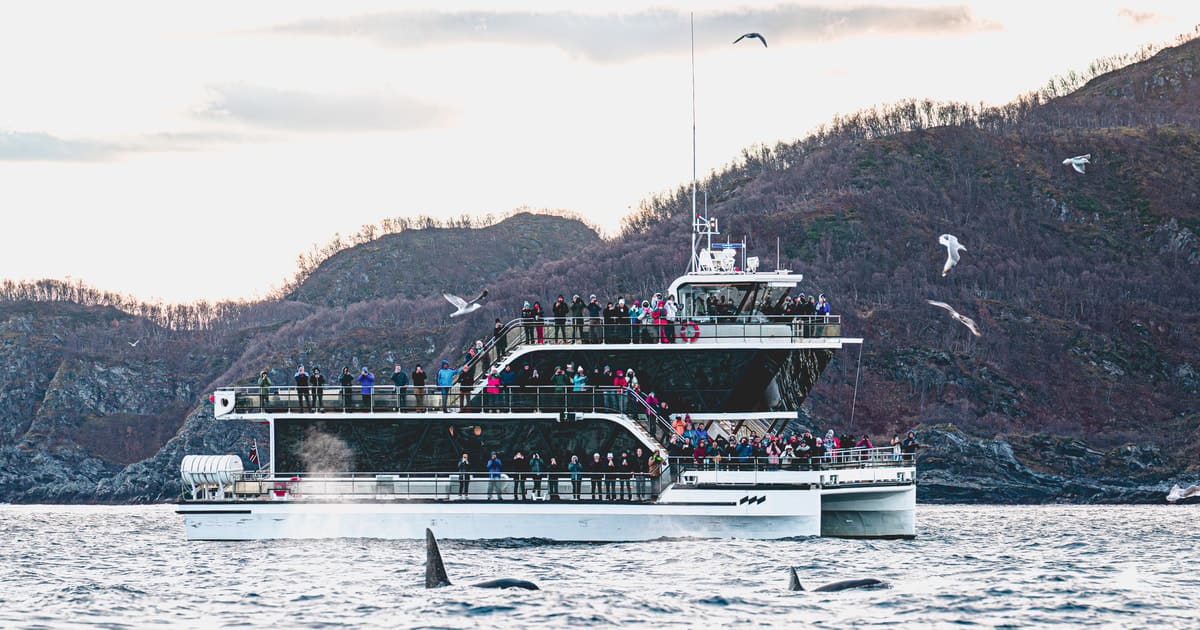
- A larger vessel is usually the first format to compare
- A faster boat is not automatically a more comfortable boat
- Ask a qualified medical professional about medication and timing
- Do not schedule a demanding evening immediately after a long marine day
Choose the vessel, not only the operator
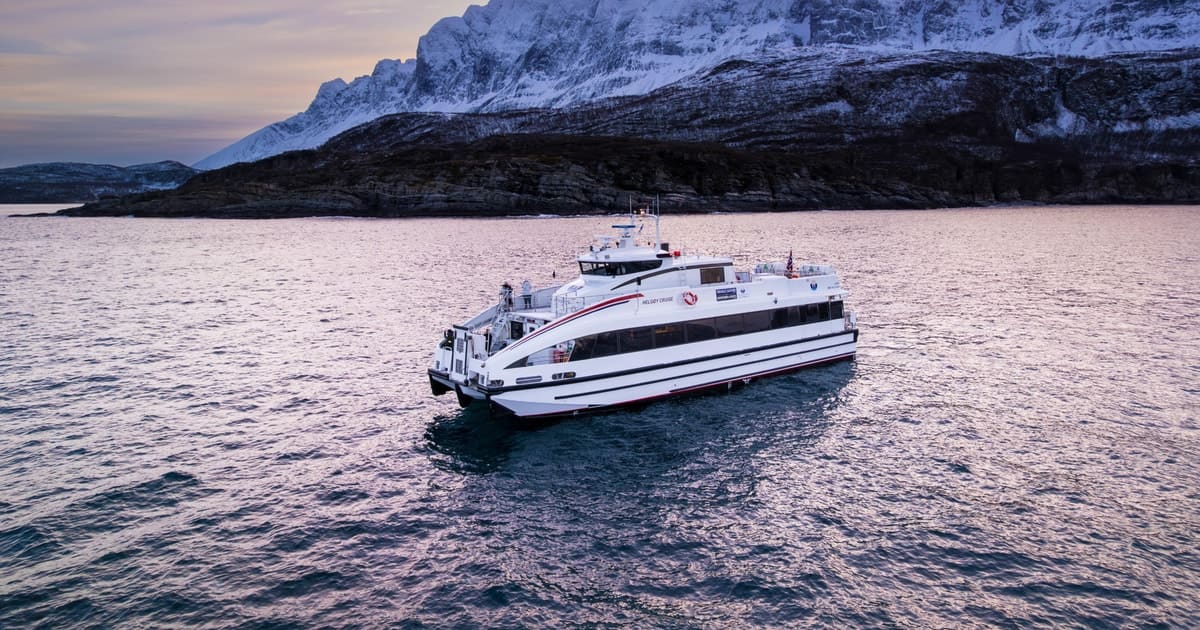
A large catamaran or hybrid vessel can provide more indoor space, toilets and room to move. A RIB or smaller high-speed boat is more exposed and normally has stricter health and age rules.
Actual comfort still depends on sea state, direction and individual sensitivity. Read the vessel description rather than relying on a generic “whale tour” label.
Total time matters
Some departures sail a long distance from Tromsø; others use road transport before a shorter boat segment. Compare the whole day, the longest uninterrupted marine period and whether the traveller can sit inside.
A shorter advertised activity is not necessarily a shorter time in motion if transfers or boarding are omitted from the headline.
Prepare before departure
Follow professional medical advice rather than social-media dosing. Eat and hydrate according to that advice, arrive early enough to choose an appropriate place and tell the crew when you begin to feel unwell.
Warmth and anxiety also affect comfort. Wear windproof layers for the deck and use the heated cabin when needed.
When to choose another experience
If vomiting, balance problems or a health condition would make a long day unsafe or miserable, choose a road-based fjord tour, wildlife centre or another land experience. Missing one activity is better than losing the rest of a short trip.
Our planning rule
The best anti-seasickness decision happens before booking: choose the vessel and itinerary that reduce exposure for the most sensitive traveller. Medication cannot turn every sea state into a comfortable day.
- Prefer a larger vessel with indoor space when motion is the main concern
- Avoid committing to a small exposed boat for the promise of a closer experience
- Seek professional advice before using motion-sickness medication
Primary sources
Conditions and public information can change. These sources were reviewed on 26 September 2026.
Visit Tromsø: whale watching ↗Visit Tromsø: current whale FAQ ↗Common questions
FAQ
Which whale-watching boat is best for seasickness?
A larger vessel with indoor space is normally the first comparison, but no format removes motion.
Are fast catamarans better?
They may reduce transit time, but speed and hull design do not guarantee a gentler ride in every sea state.
Should I take seasickness tablets?
Ask a qualified medical professional because products, contraindications and timing differ.
Can I avoid boats and still see whales?
Whale watching requires a marine segment. A road-based scenic tour is the clearer alternative when sea motion is unacceptable.
Should I skip whale watching if I often get seasick?
Not necessarily, but choose conservatively and be willing to skip the trip if marine conditions are poor. A road-based fjord tour is a useful alternative.
Next decision
Compare vessels by comfort and exposure
Review the large-vessel, catamaran and RIB trade-offs before checking live availability.
Compare options
Rafael builds independent destination guides focused on clear comparisons, verifiable sources and practical booking decisions. Best of Tromsø does not claim first-hand testing unless it is documented.
Editorial policy and author information →