The short answer
- Choose tours around the youngest child’s age, sleep and comfort outdoors.
- A guide-driven husky ride may suit children better than self-drive, subject to the tour rules.
- A reindeer camp or Polaria can give you a gentler day.
- Keep a late northern lights outing optional if bedtime or cold will be a problem.
- Check child seats, toilets, warm shelter and total transfer time before paying.
| Activity | Why families choose it | Check first |
|---|---|---|
| Passenger husky ride | Children can ride while a guide drives on some tours | Age, child seat and time outdoors |
| Reindeer camp | Gentler pace with feeding and Sámi stories | Exact option, transfer and sled time |
| Polaria | Indoor Arctic wildlife and exhibits | Opening times and admission |
| Fjord cruise | Scenery with indoor space on some boats | Sea motion, toilets and total duration |
Start with your child, not a “family-friendly” badge
A five-year-old and a teenager will experience the same outing differently. Look past the family label: check the minimum age, road time, minutes outside and what your child will actually do. A short sled ride may still sit inside a four-hour booking.
Plan one main experience per day, then leave a warm, flexible option nearby. A little spare time is useful when gloves get wet or someone needs an early rest.
Dog sledding with children
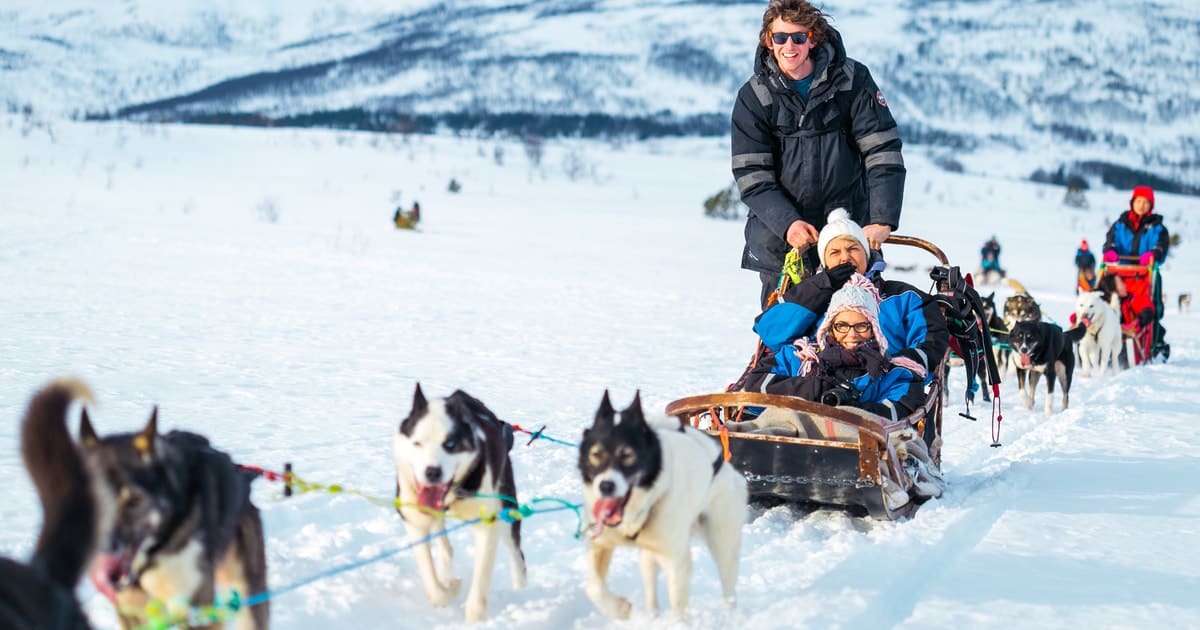
On a guide-driven passenger sled, the musher steers and you can sit with the scenery and the dogs. The shortlisted ride describes about 45 minutes on the sled within a longer trip that includes transport and camp time.
Self-drive tours ask the driver to balance and brake, and age rules vary. Check the exact option for seating, winter clothing and any child seat needed on the transfer. A husky photograph tells you none of those things.
Reindeer, Sámi stories and a slower day
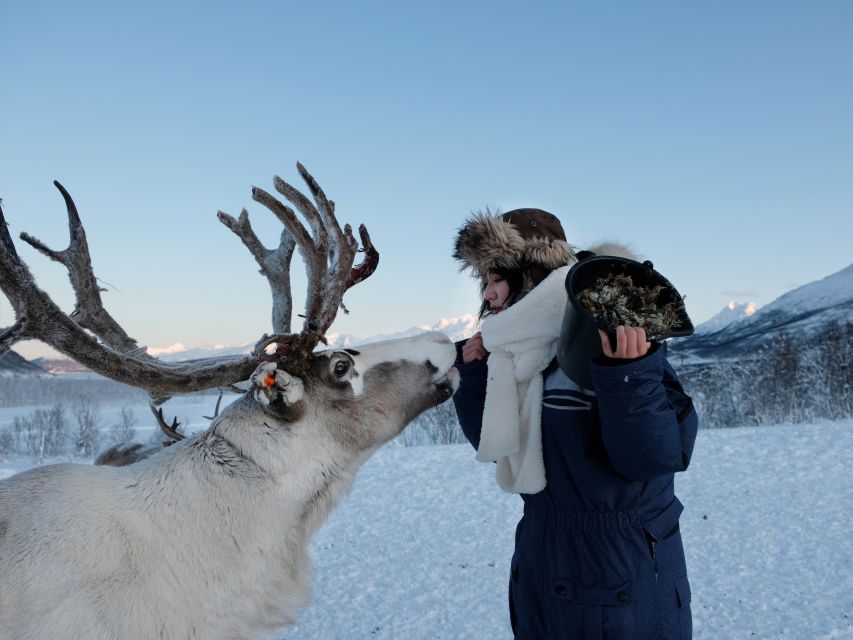
A reindeer camp can be a gentler choice if your family wants time with the animals without an active sled drive. Feeding, stories, a meal and a ride are different inclusions; do not assume they all come with one ticket.
Compare the shorter reindeer experience when a long day away from town would be too much. Read the transfer, minimum age, dietary options and exact programme before booking.
Relevant activities
Compare a passenger sled with a reindeer camp
Choose by the youngest child’s age, total travel time, warmth and the rules of the exact activity option.
Guide-driven husky ridePassenger husky sled ride with lunchA musher steers while guests ride; check child seating and transfer requirements.From €319 per personCheck availability ↗︎ Shorter reindeer visitShort reindeer and Sámi culture experienceFeeding and Sámi stories with a gentler pace; inclusions depend on the chosen option.From €100 per personCheck availability ↗︎
Indoor time in Tromsø
Polaria offers an indoor Arctic aquarium and exhibits near the waterfront. It can fill a cold or wet block without committing you to another long tour. Check current hours and the programme if a particular event matters.
A café stop or museum can be enough between outdoor plans. Keep your hotel central if you may need to collect dry gloves or let a tired child rest.
Can children do a northern lights tour?
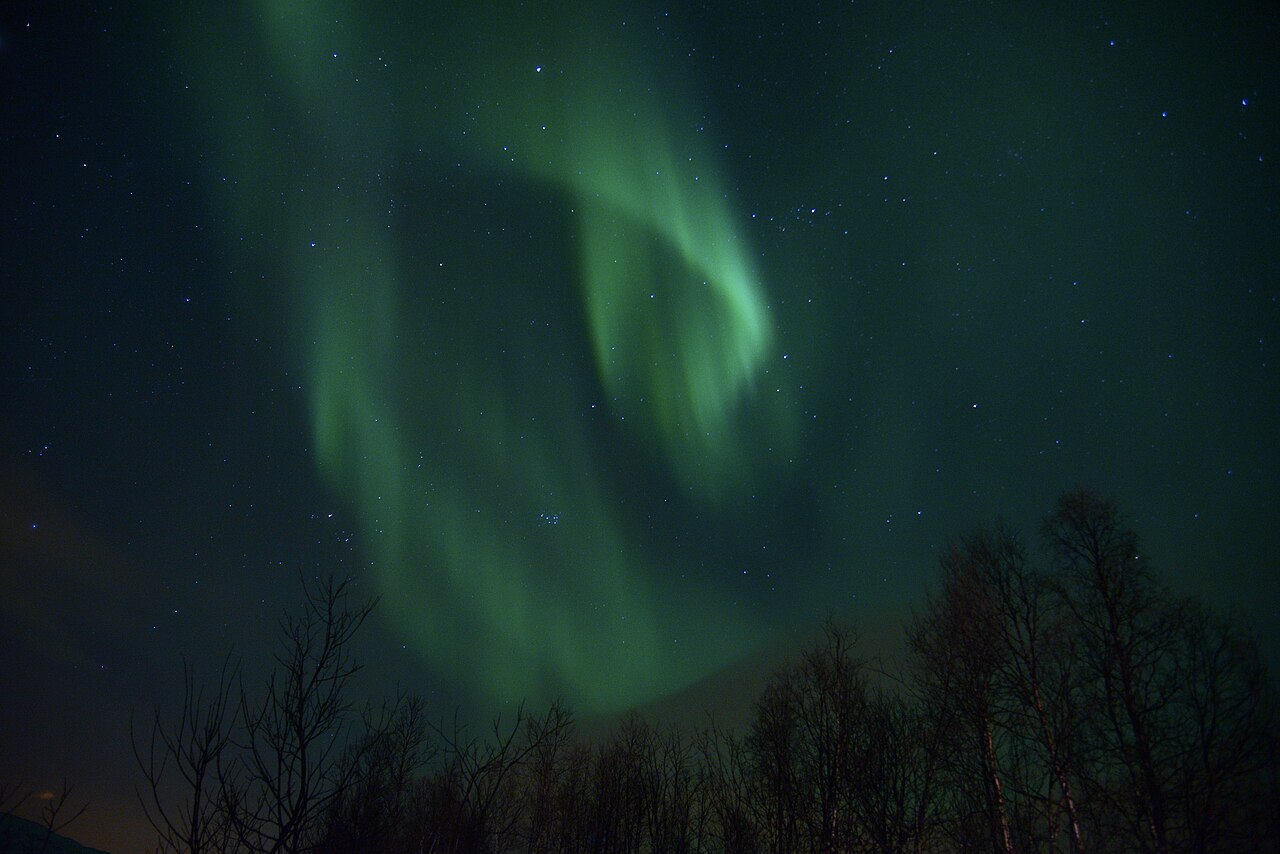
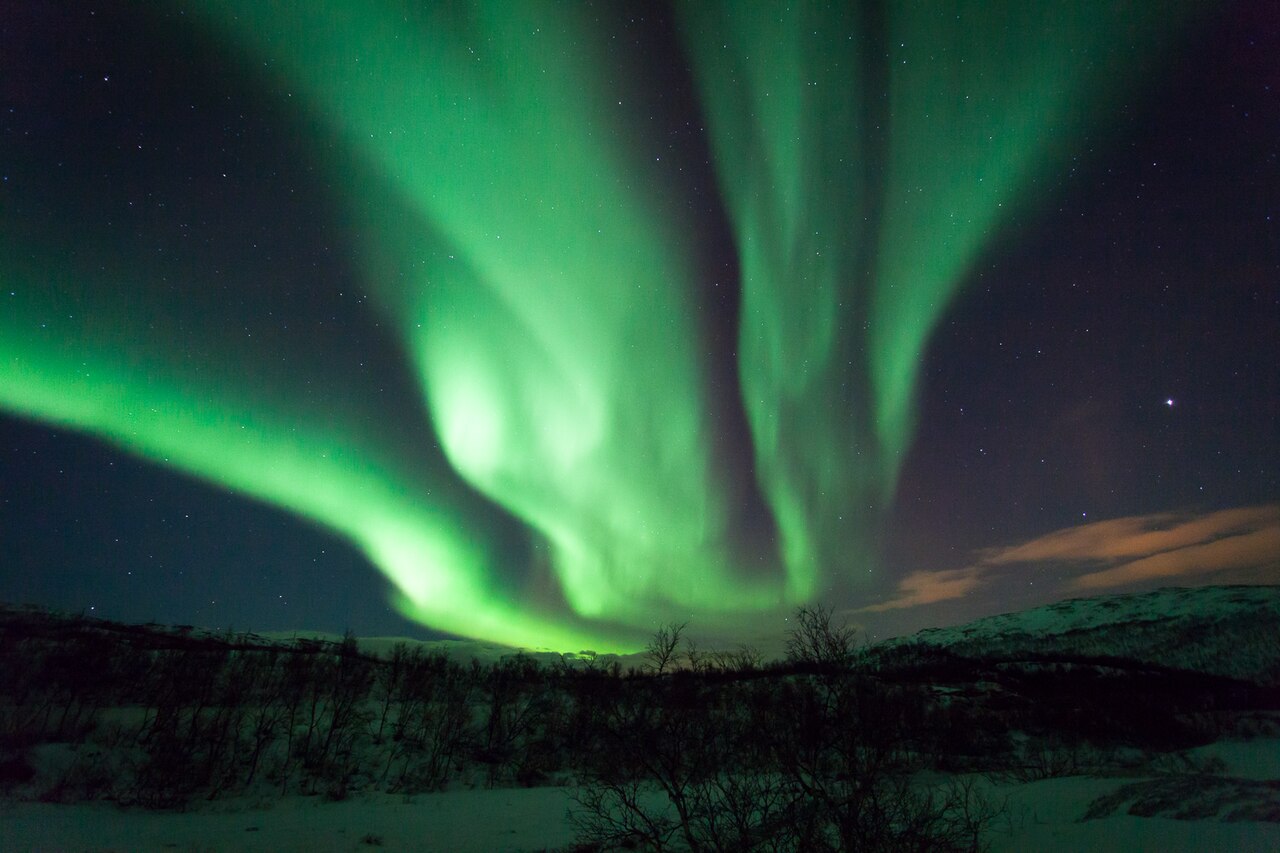
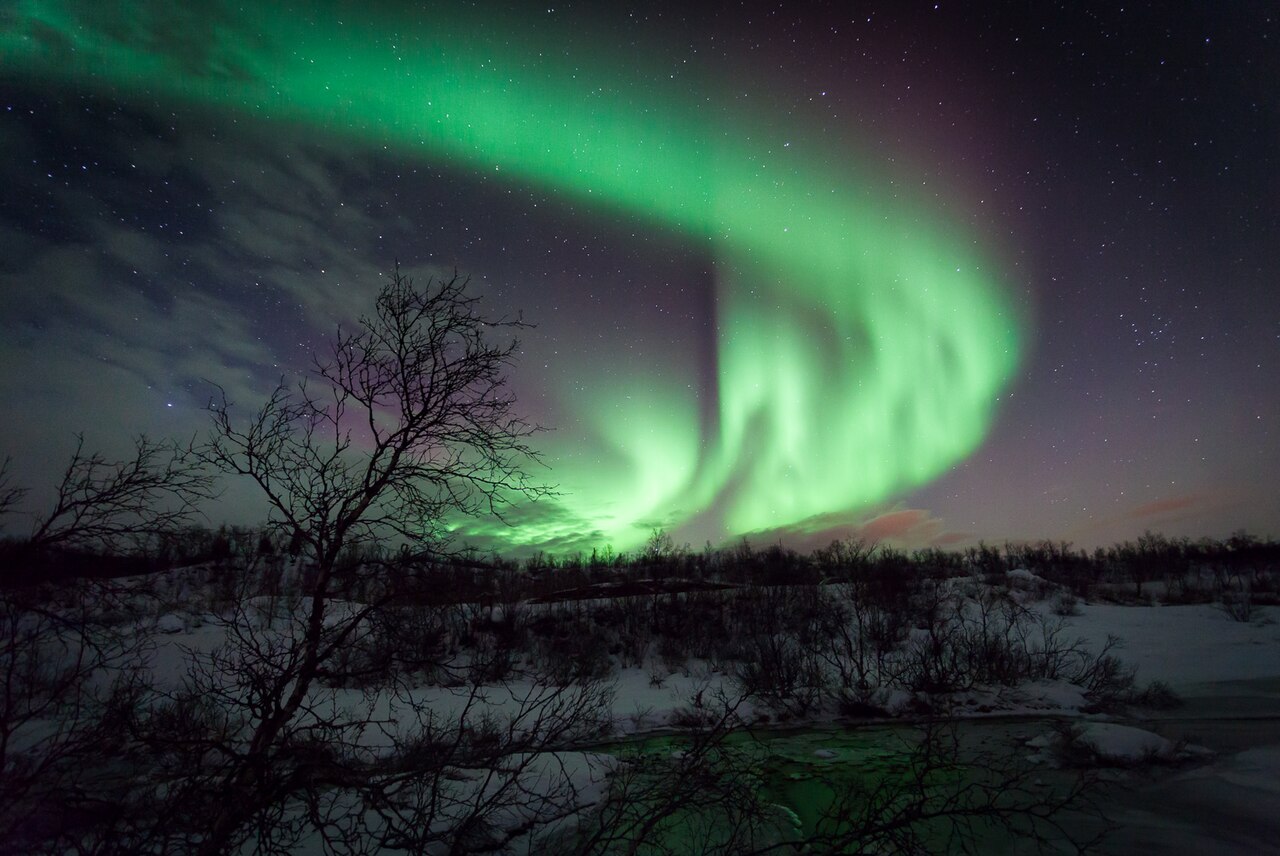
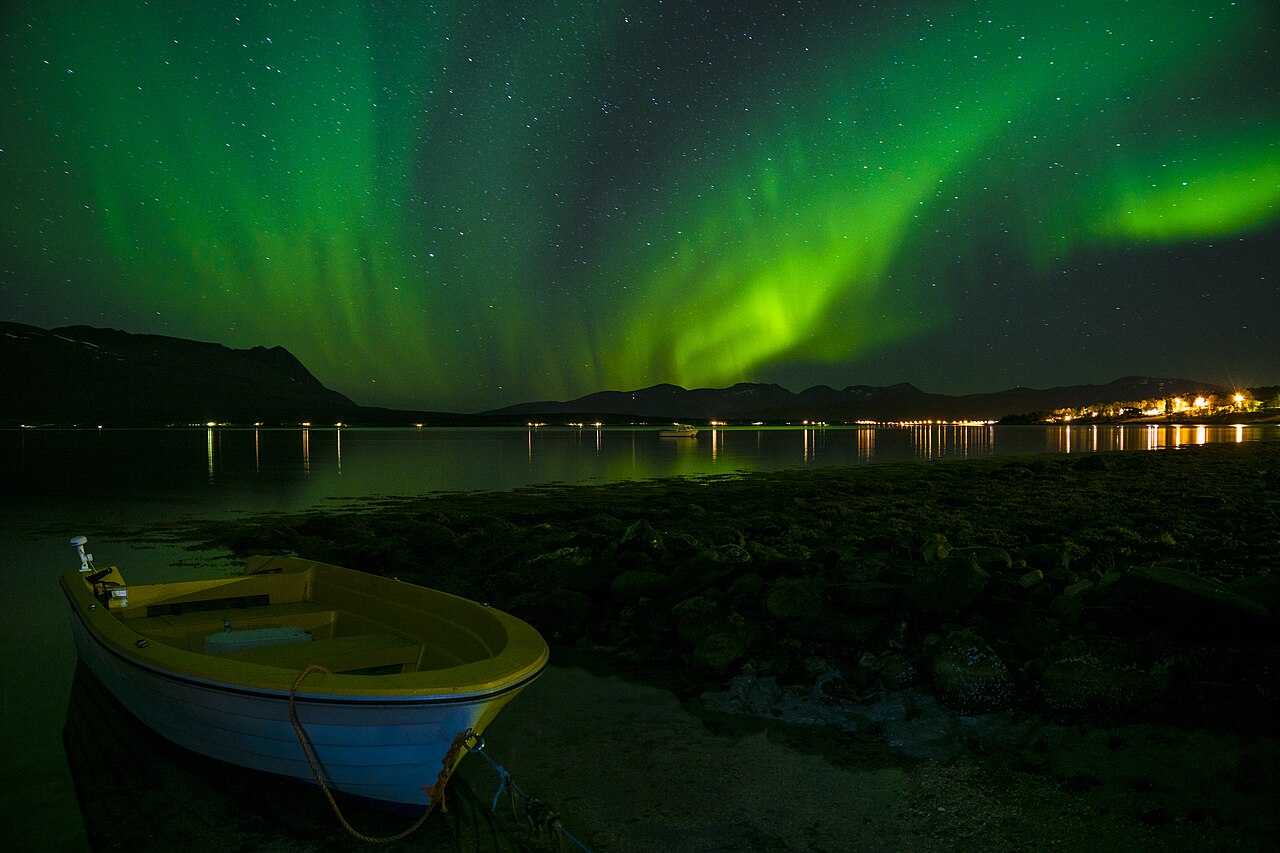
Some older children will be happy with a late night; younger ones may find the long wait and uncertain return harder than the chase itself. A short cruise or fixed camp might suit a family better than a long road trip, depending on shelter, sea conditions and bedtime.
Choose a night you could still enjoy without an aurora. Check the age limit, toilets, warm space, clothing and no-sighting terms, then leave the following morning gentle.
Cold, transport and a realistic three-day plan
Bring layers, warm footwear and spare dry gloves. Plan food and indoor breaks. Icy pavements can make a pushchair awkward, so think about walking ability and accommodation location before filling the itinerary.
Day 1 can be the centre and Polaria; Day 2 a husky or reindeer outing; Day 3 a short fjord trip or slower city day. Book the least flexible outing first, then let weather and energy decide the rest.
Primary sources
Conditions and public information can change. These sources were reviewed on 10 October 2026.
Polaria: Arctic aquarium and exhibits ↗︎GetYourGuide: guide-driven husky ride ↗︎GetYourGuide: reindeer camp experience ↗︎Common questions
FAQ
Is Tromsø good for families with children?
Yes when activities and pacing match the youngest child. Mix one main outing a day with indoor time, warm breaks and realistic transfer lengths.
Can young children go dog sledding in Tromsø?
Some guide-driven passenger tours accept children with an adult, while self-drive rules can be stricter. Check the exact product’s age, seating and transport requirements.
What can families do in Tromsø when the weather is bad?
Polaria and other indoor city attractions can fill a colder or wetter block. Check current opening hours and keep a flexible plan.
Can kids see the northern lights in Tromsø?
Yes if conditions cooperate, but tours can be late and sightings are not guaranteed. Choose a format that suits the child’s bedtime and cold tolerance.
Do family tours provide child car seats?
Do not assume so. Ask the operator about the transfer vehicle and whether you must bring or arrange an appropriate child seat.
How many days do you need in Tromsø with kids?
Three days gives room for a city day, one major outdoor experience and a flexible third day. Add time if you want several winter tours without rushing.
Next decision
Compare family-suitable experiences
Compare the exact age rules, transport, shelter and time outdoors before choosing a family outing.
Compare options