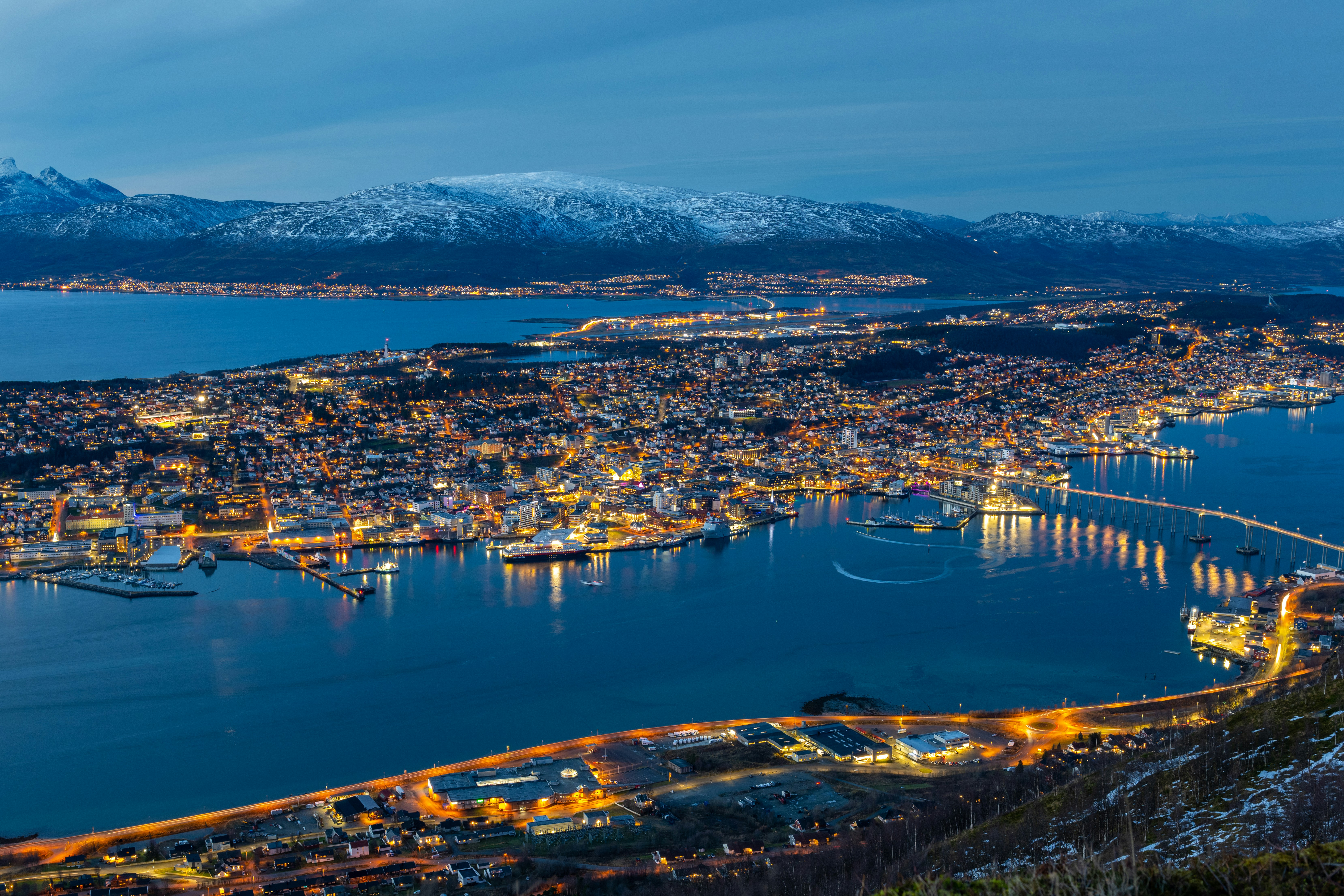
The short answer
- Early January is Polar Night, with twilight instead of a normal daylight period.
- The sun returns around mid-month, though mountains can delay direct light in town.
- Aurora sightings remain possible but cannot be guaranteed.
- Check the active whale season before making a late-January trip depend on it.
| When | Light and atmosphere | Plan around |
|---|---|---|
| Early January | Polar Night and short twilight | Low-light scenery and a flexible aurora evening |
| Mid-January | The sun returns above the horizon | Exact local light times and weather |
| Late January | Longer daytime window | Scenic outings; check whether whale tours still run |
Early January versus late January
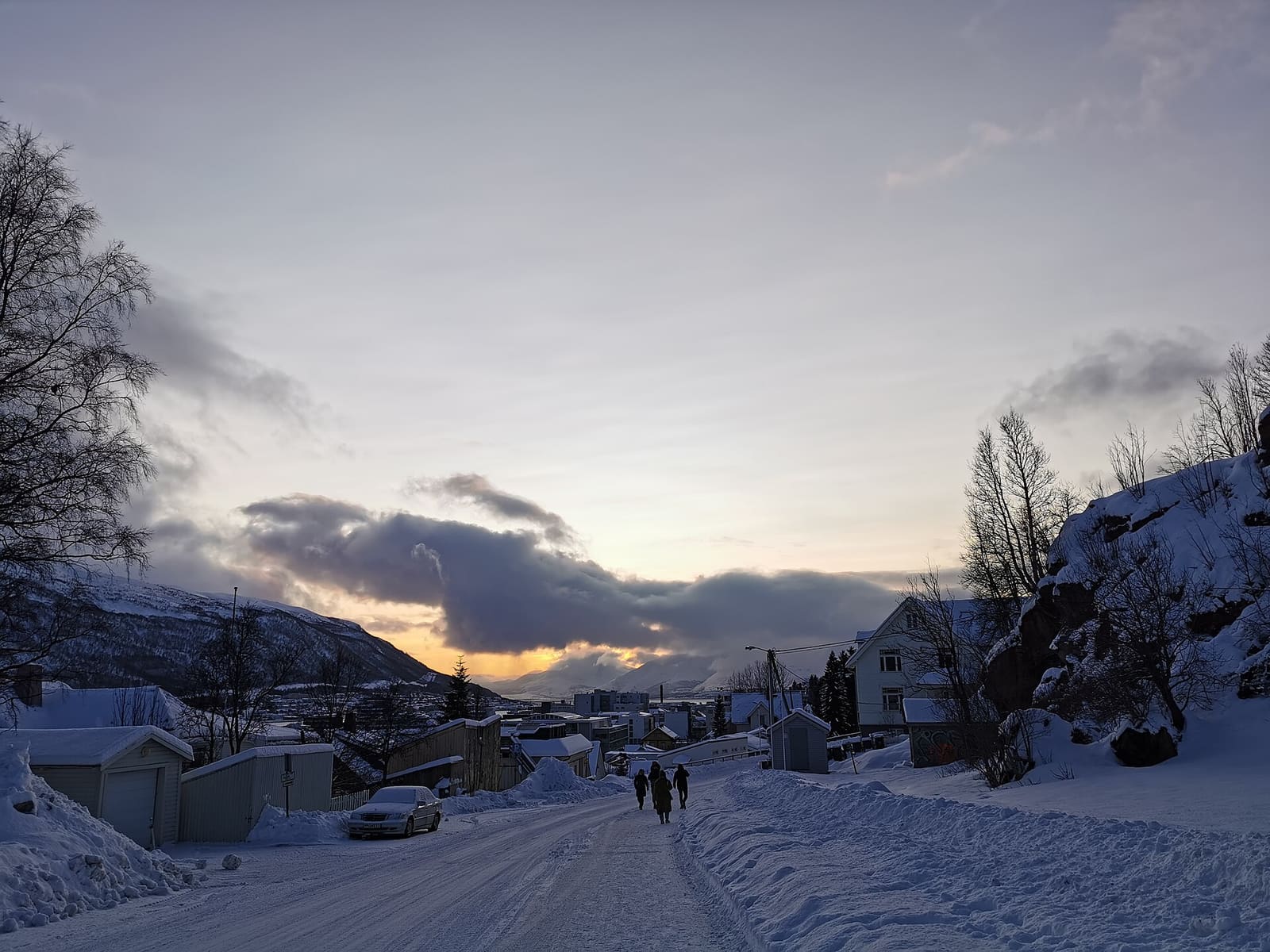
At the start of the month, the sun stays below the horizon but twilight still brightens the city around midday. Around mid-January it rises above the horizon again. By month’s end, a fjord view or city walk has a longer natural-light window.
The sunrise table describes the horizon, not whether a mountain blocks the sun from your street. Check times for your exact travel dates and allow the weather to change the view as well.
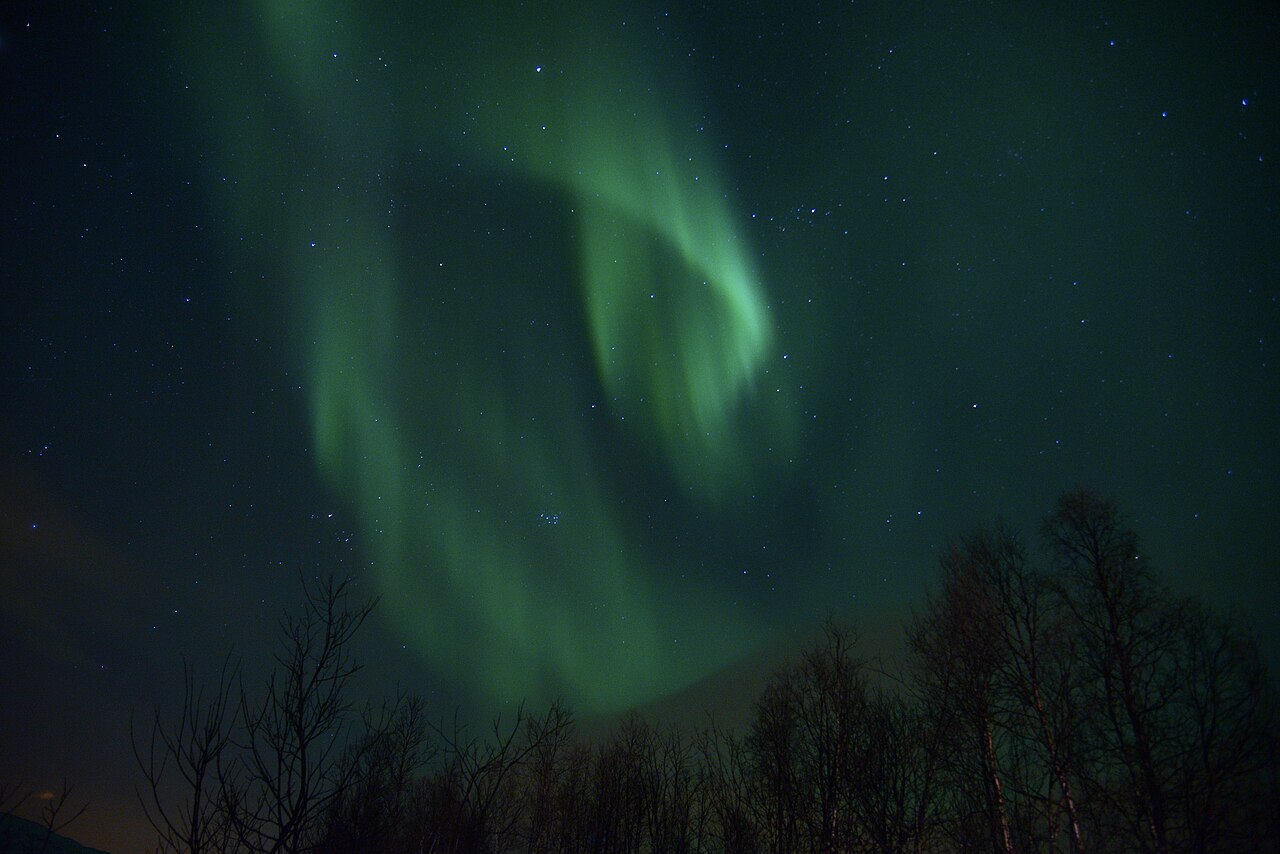
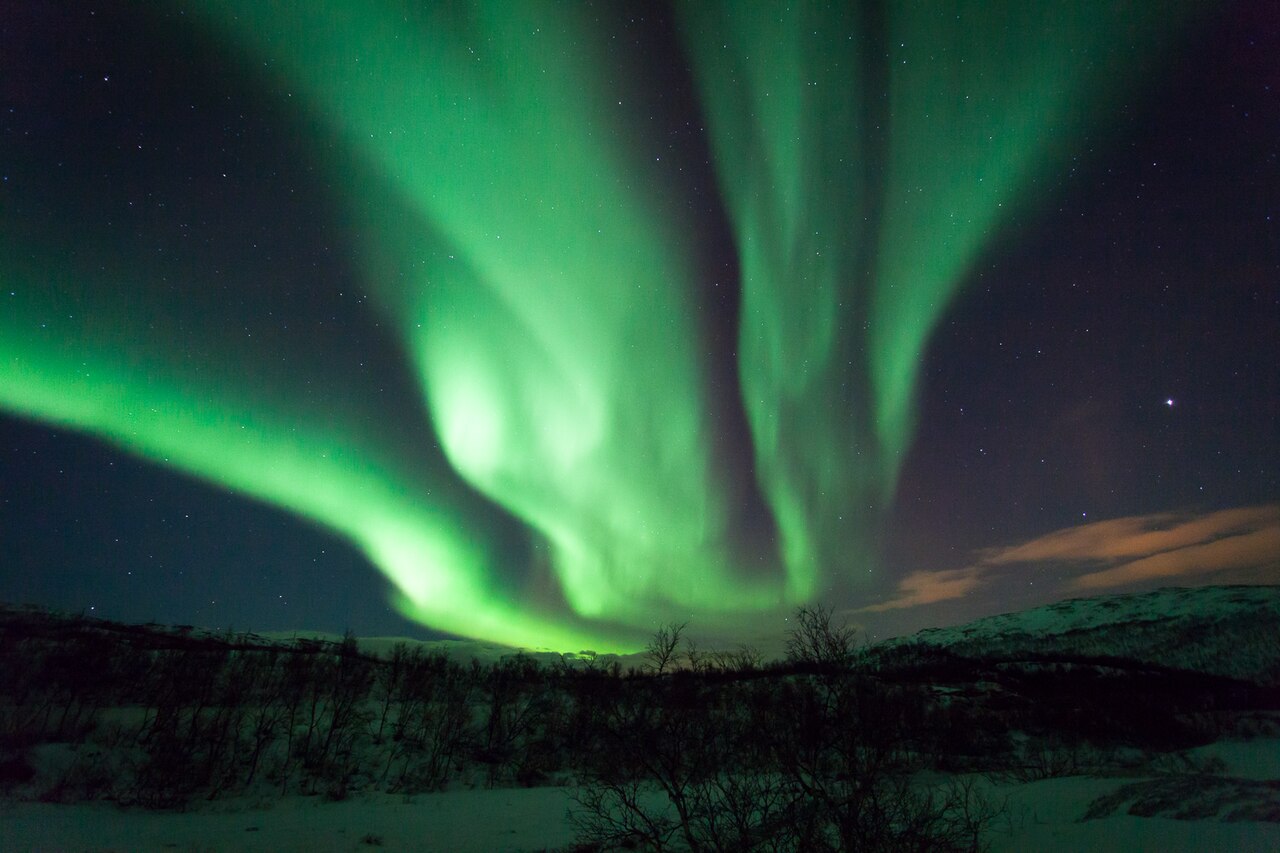
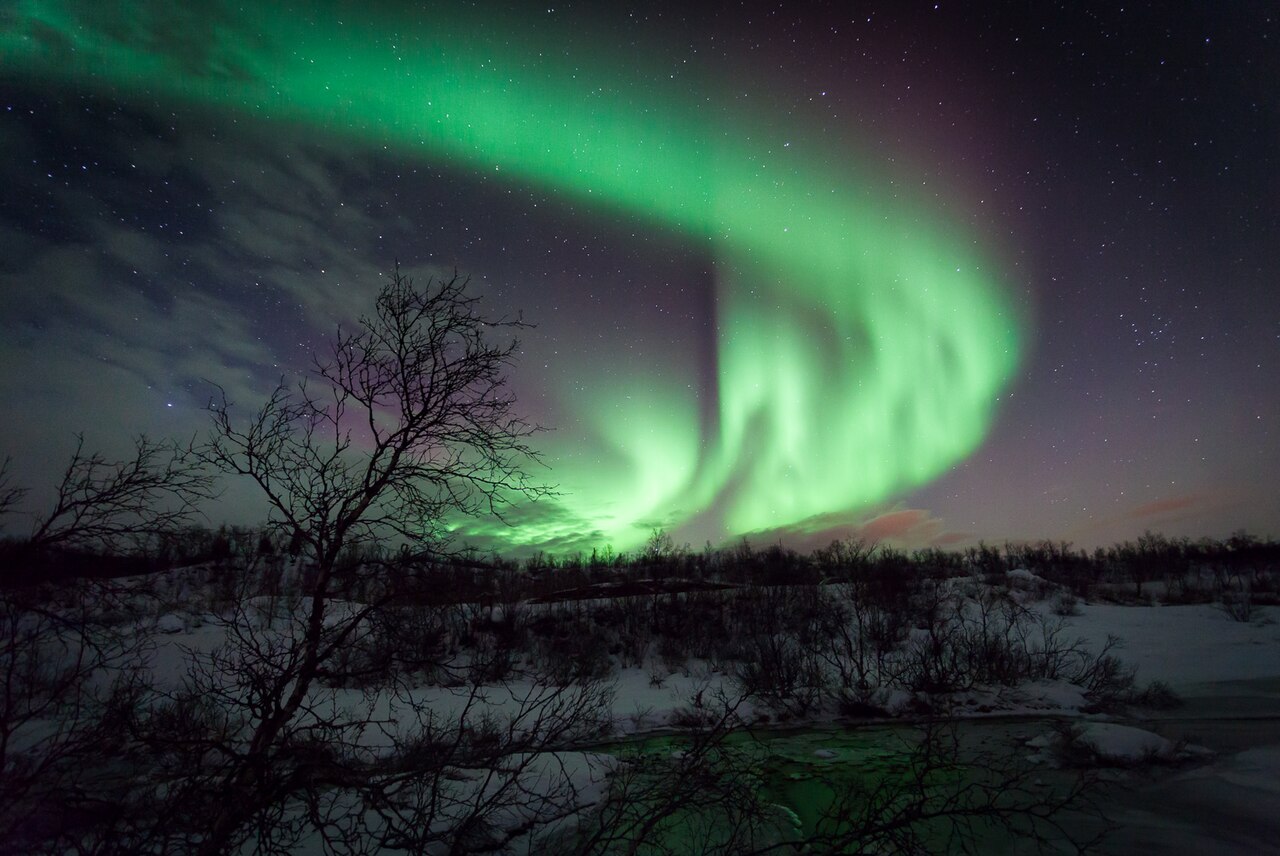
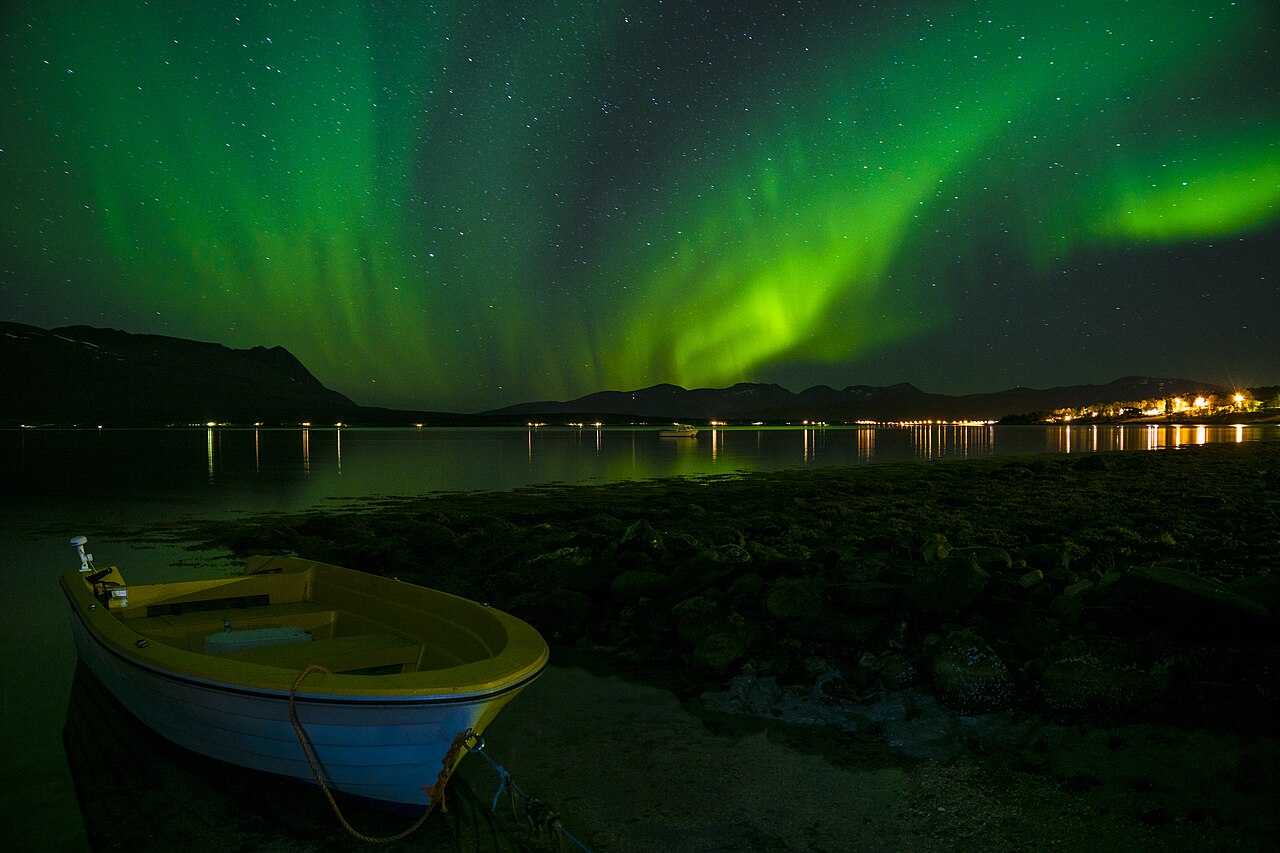
Northern lights: use the first clear opportunity
Dark evenings are plentiful, but clear sky and auroral activity still need to align. If this is your priority, schedule a chase early in the stay and protect another possible night. Avoid a demanding early start after a late return.
A mobile tour can change route when cloud differs between areas. A fixed camp or cruise gives you a different kind of evening. Choose by the whole experience, not only the hope of a sighting.
Whale watching: check the season first
Winter whale trips may continue into January, but the feeding area and end date vary. Do not assume a late-January departure is as available as one early in the month. Check the current tour calendar before fixing non-refundable travel around whales.
Allow a full day when a departure runs. A fjord cruise can be a good scenic alternative, but it is a different trip rather than a replacement for whale watching.
Dog sledding and reindeer outings
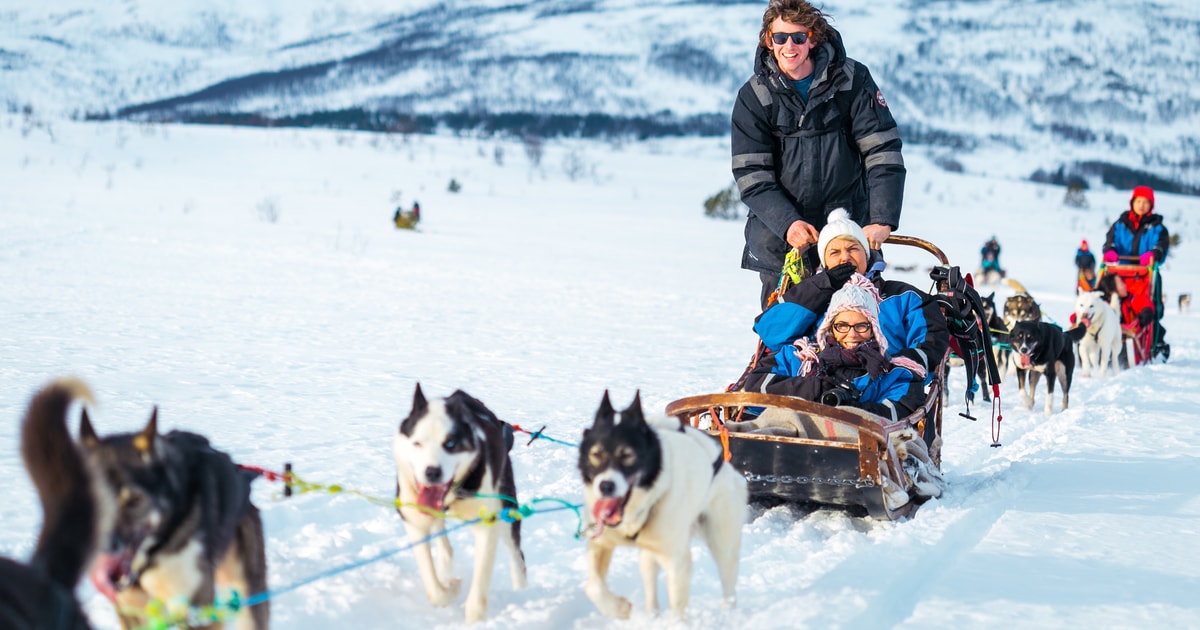
January is usually inside the snow-tour season. Driving a husky sled takes more balance and work than riding with a musher. A reindeer camp offers a gentler format, with feeding, cultural and meal options that vary by booking.
Check ride time, age rules, transfers and current conditions. Leave an indoor alternative in case snow or weather changes the plan.
Relevant activities
Compare two January winter experiences
A passenger sled and a whale boat use the day very differently. Check snow, wildlife season and the return time for your date.
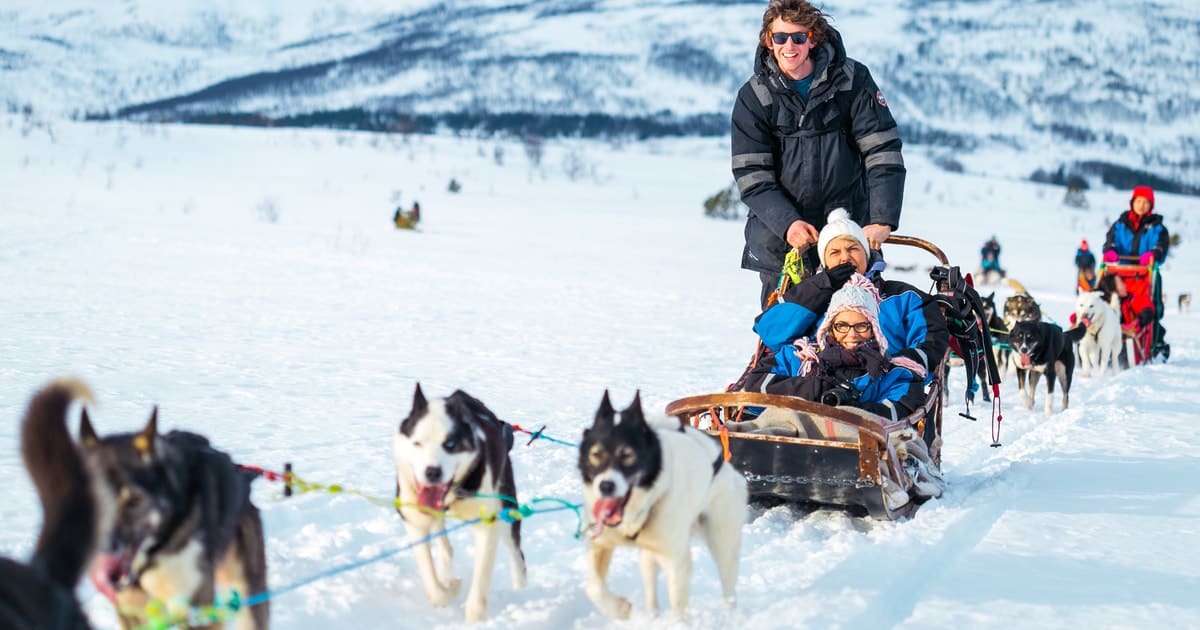 Guide-driven husky ridePassenger husky sled ride with lunchA musher steers the sled on a longer outing that includes transfer and camp time.From €319 per personCheck availability ↗︎
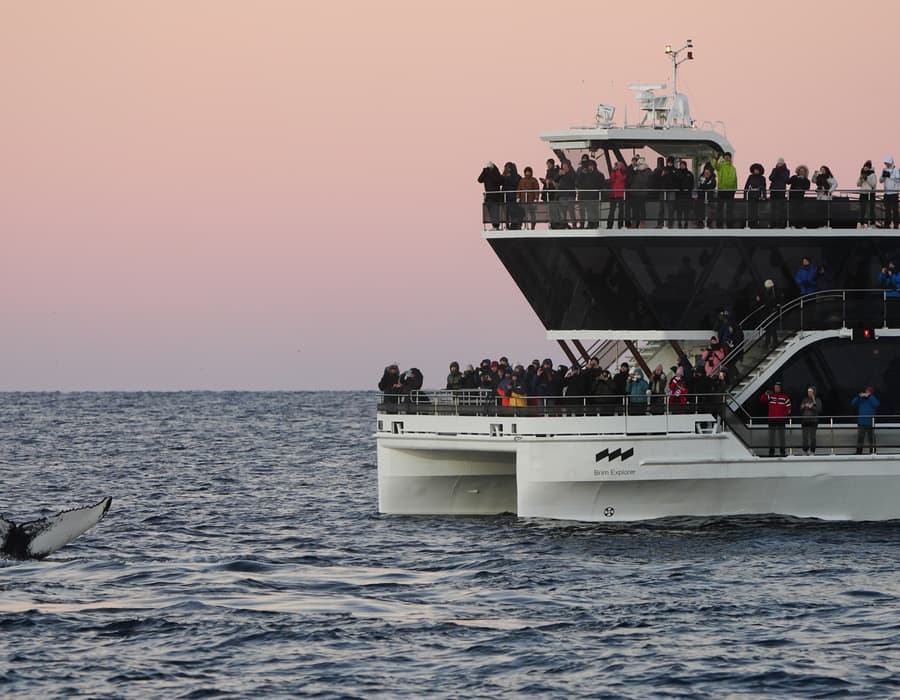 Seasonal whale boatHybrid-electric whale watching cruiseA full-day boat departure; confirm that it is still operating in your January week.From €178 per personCheck availability ↗︎
Weather, ice and what to wear
A January forecast for town may not match the coast or an inland camp. Wear layers you can adjust between a heated vehicle and time standing outside. Check whether the tour supplies outerwear, then bring your own warm base layers and gloves.
Icy pavements can slow even a short city walk. Boots with grip or removable ice grips may help. For more detail on what to wear, start with the winter packing guide.
A three-day January starting point
Day 1 can be the centre and a first aurora attempt. Give Day 2 to one snow outing and an easier evening. If whales are running, Day 3 can hold that long trip; otherwise use the returning light for fjords or city sights.
Add a fourth day if both whales and the northern lights are essential. That gives weather and late returns more room without filling every hour now.
Primary sources
Conditions and public information can change. These sources were reviewed on 10 October 2026.
Time and Date: Tromsø sun and twilight in January 2027 ↗︎Visit Norway: Polar Night in Northern Norway ↗︎Visit Norway: Tromsø in winter ↗︎Yr: current Tromsø forecast ↗︎Common questions
FAQ
Is January a good time to visit Tromsø?
Yes for winter scenery, dark aurora evenings and snow activities. Early and late January have very different amounts of daylight.
Is Tromsø dark all day in January?
Early January is still Polar Night, but midday twilight remains. The sun returns above the horizon around mid-month and daylight grows.
Can you see northern lights in Tromsø in January?
Yes, when cloud and auroral conditions cooperate. No month or tour guarantees a sighting.
Can you see whales from Tromsø in January?
Often, especially earlier in the month, but the season changes with the herring and operator schedule. Confirm it for your dates.
Is dog sledding available in January?
It usually operates in the winter season, subject to snow, trail and weather conditions. Check the exact activity option.
Is early or late January better for Tromsø?
Choose early January for stronger Polar Night atmosphere, or late January for more natural light while keeping dark evenings.
Next decision
Compare tours operating in January
Compare tours that actually operate during your January week, then check the full duration and conditions.
Compare options