The short answer
- Start with a wool or synthetic base that stays comfortable when damp.
- Add fleece, wool or light insulation you can remove indoors.
- Bring a wind-resistant, weather-ready outer layer and trousers.
- Choose warm, water-resistant boots with room for socks.
- Pack a hat, neck warmer, mittens and useful liner gloves.
- Carry spare dry socks or gloves, a power bank and essential medication.
| Situation | Prioritise | Check before leaving |
|---|---|---|
| City walks | Grip, dry feet, removable layers | Ice on pavements |
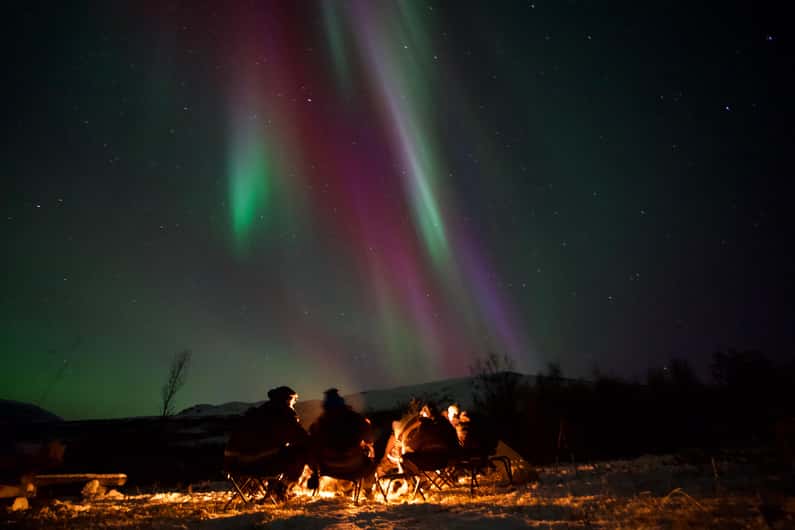
| Aurora waiting | Extra insulation for stillness | How long outside; thermal gear included |
| Boat deck | Wind protection and dry gloves | Cabin and deck conditions |
| Self-drive sled | Moveable layers and secure gloves | What the operator supplies |
Build three adjustable layers
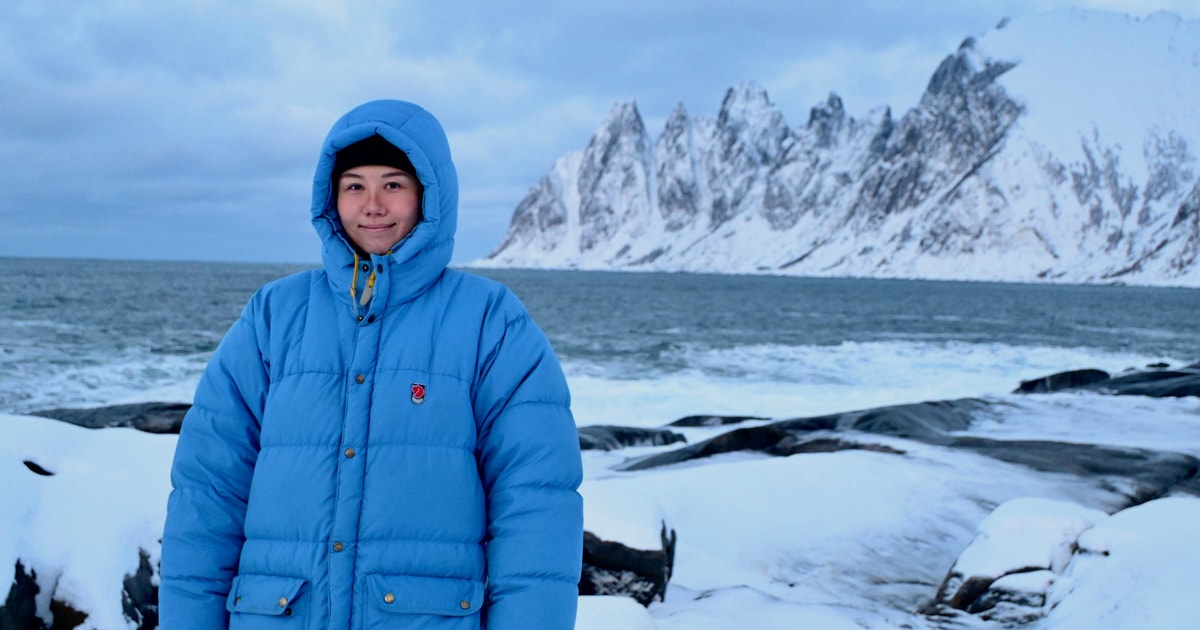
Put wool or technical synthetic fabric against your skin, a fleece or warm jumper over it, and wind- and weather-resistant clothing outside. The Norwegian Trekking Association recommends an adjustable system because your effort and exposure change through the day.
Cotton can hold moisture after you move. One very heavy coat is also hard to adjust on a warm bus and may leave your legs underdressed during a long outdoor wait.
Boots and socks: avoid tight, damp feet
Choose boots that resist water, grip the ground and still have space around wool socks. Squeezing very thick socks into tight footwear can make your feet colder. A dry spare pair is useful after slush or a long tour.
Removable ice grips can help on slippery city pavements. Take them off where floors, transport or the operator requires it, and judge whether you need them by the conditions on the day.
Protect hands, ears and neck
A hat, neck warmer and warm mittens make a long still stop easier. Thin liner gloves let you use a camera or phone briefly without bare hands; pack a dry spare pair if rain or snow is likely.
A thermal suit does not automatically come with gloves in your size. Bring hand protection you know fits, even when a tour provides outerwear.
What changes for aurora, boat and sled tours?
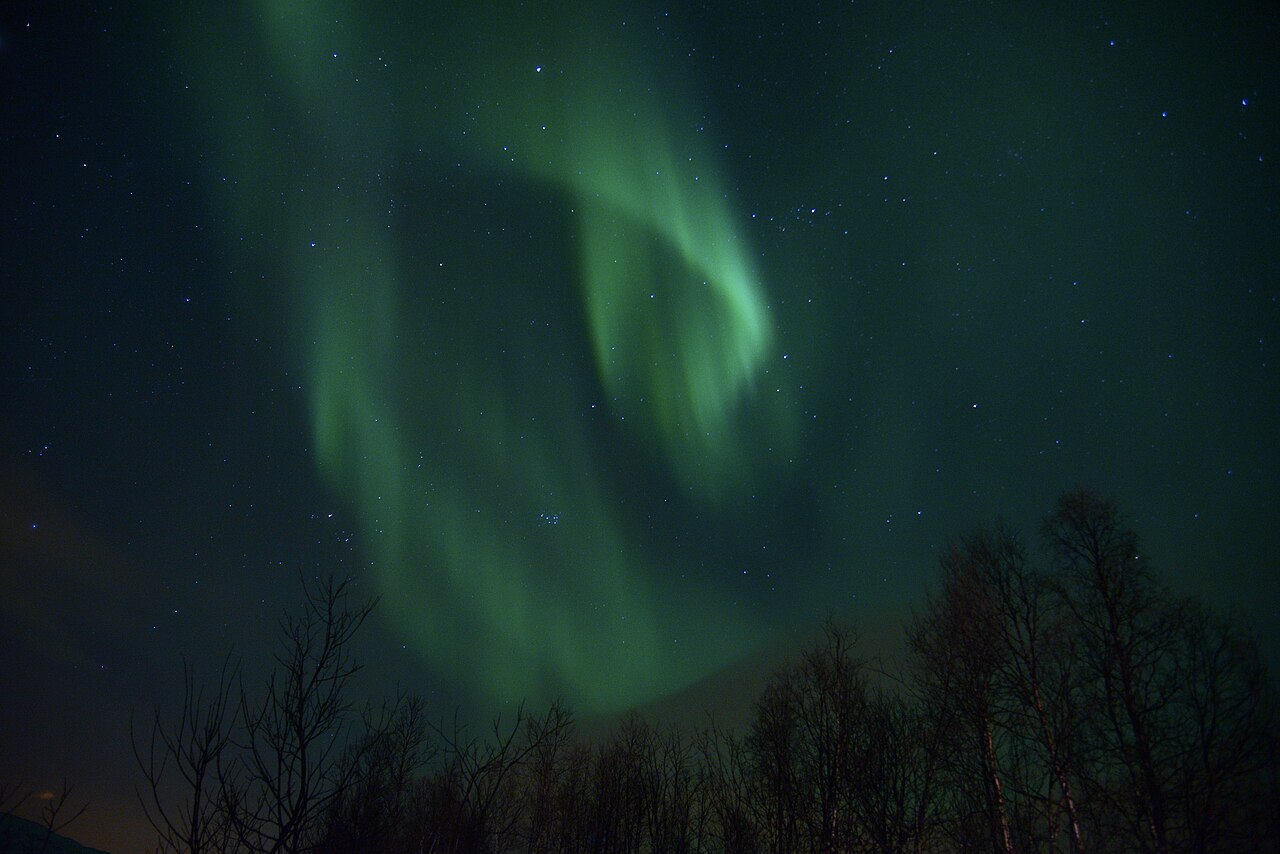
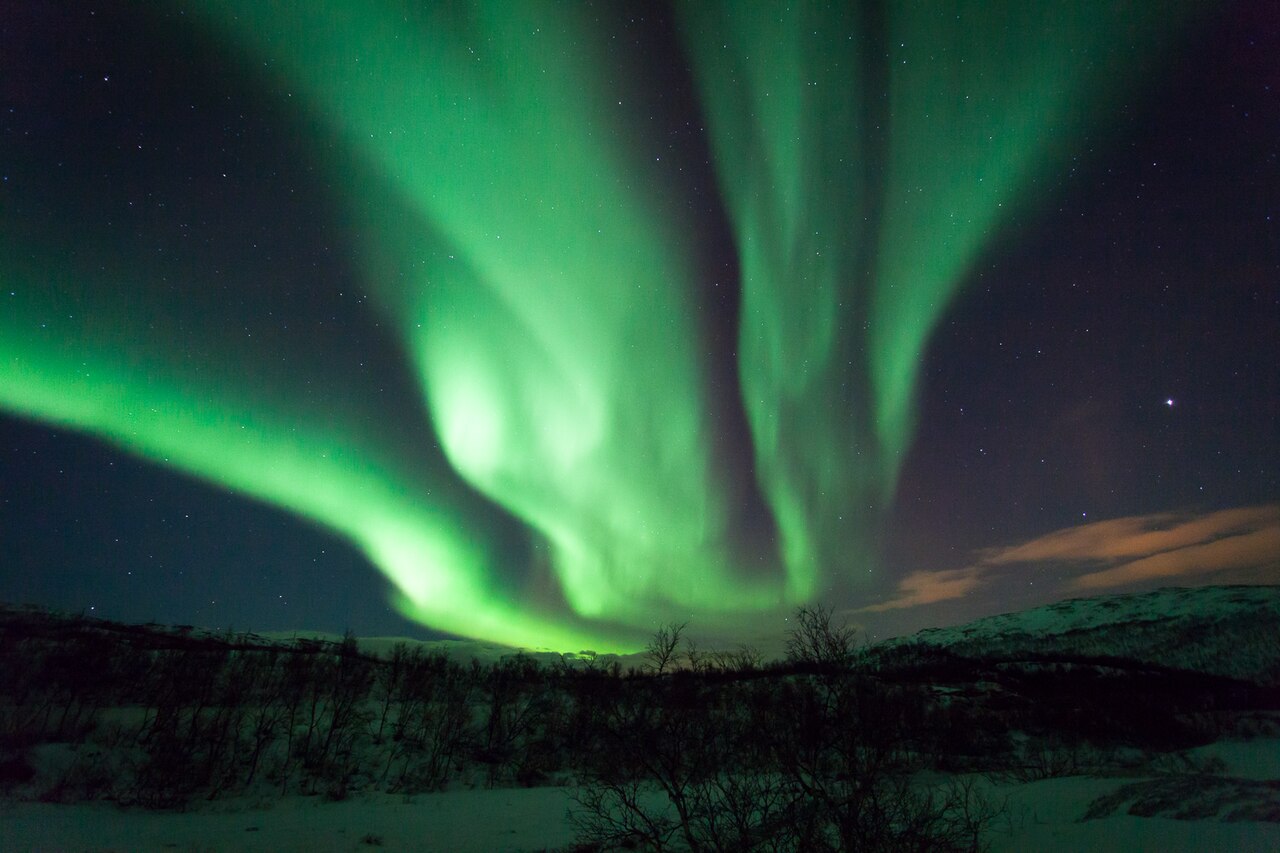
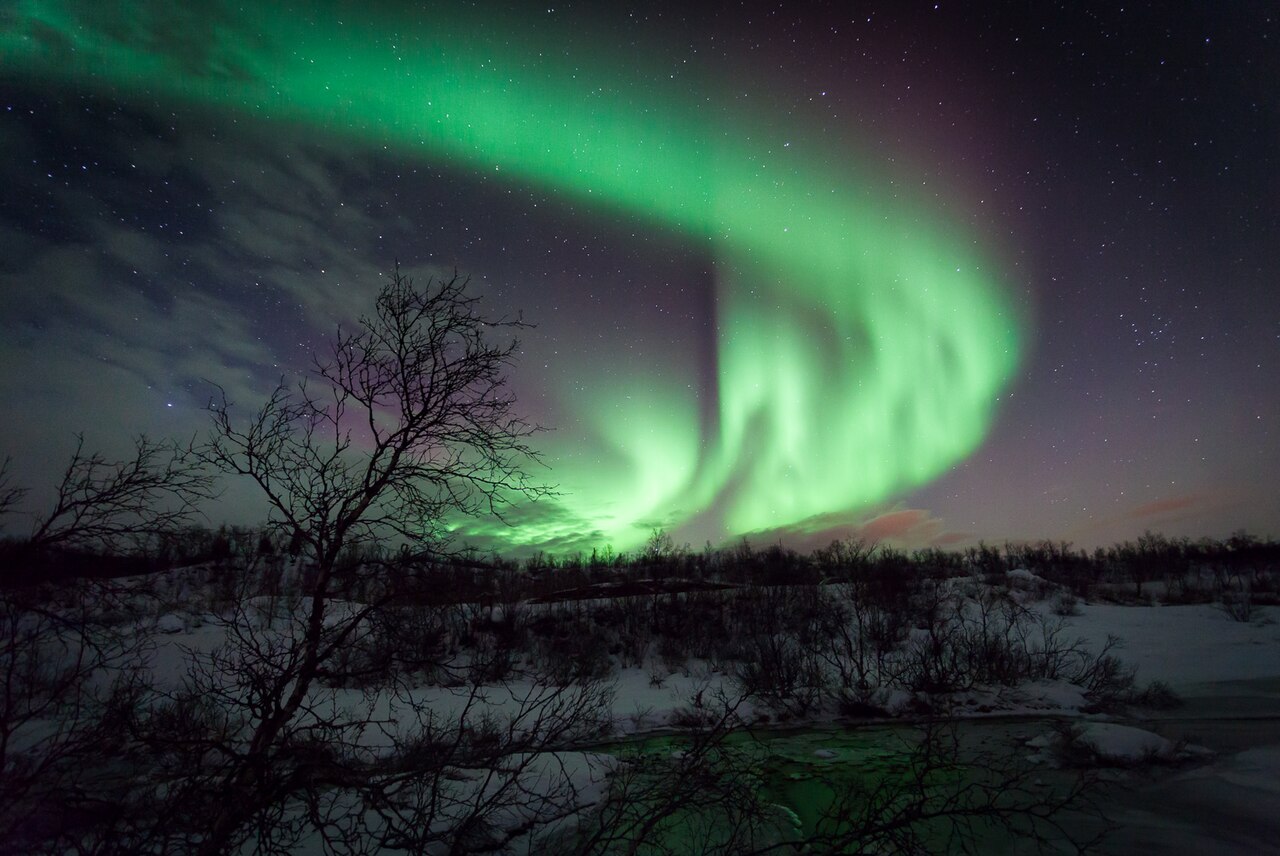
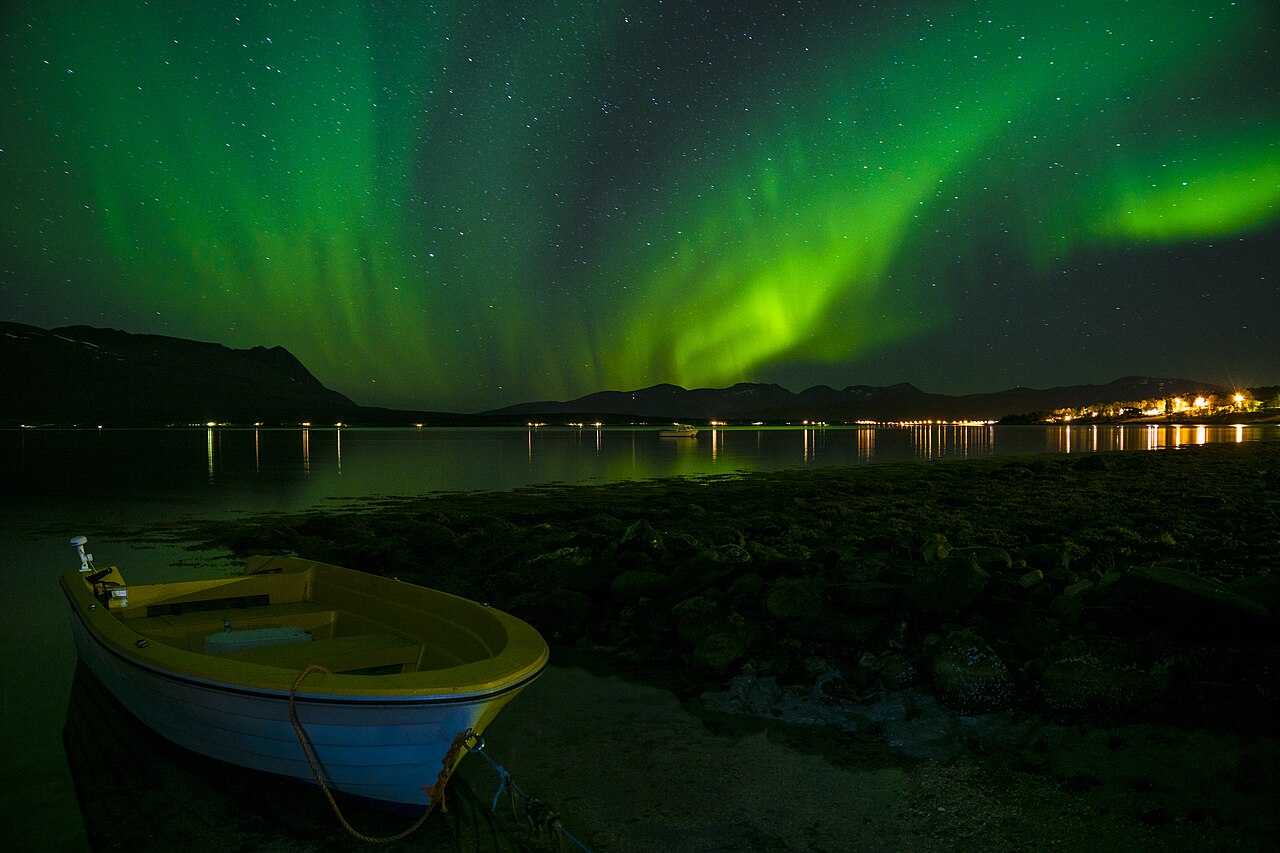
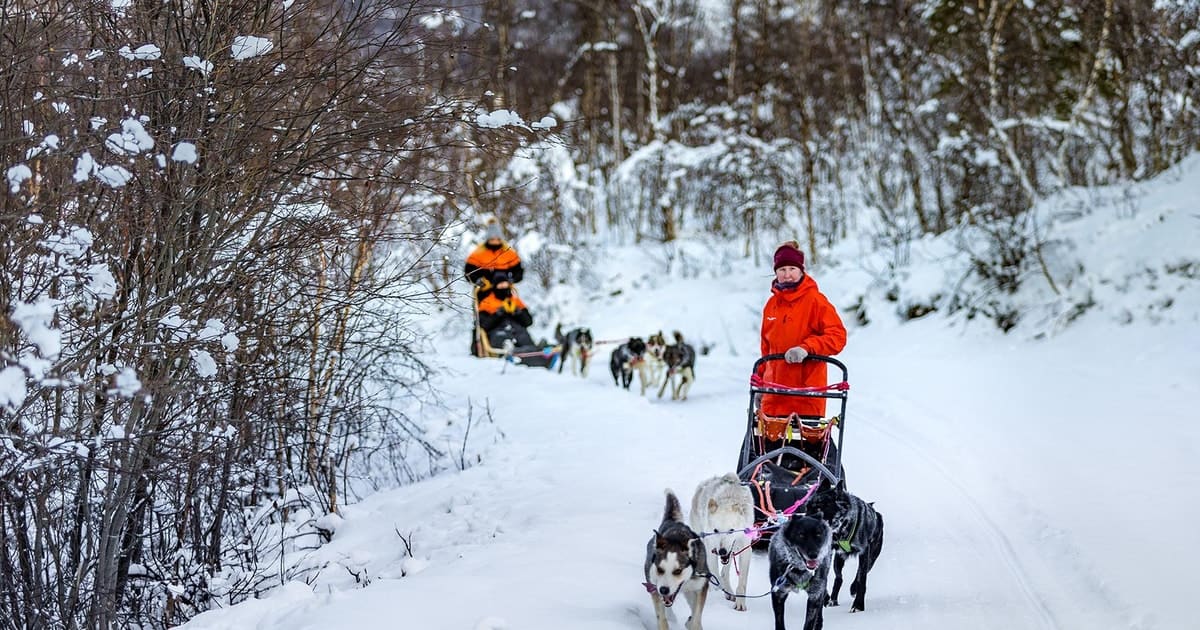
An aurora evening may involve a lot of standing still, so add insulation. A fjord or whale boat can be windy on deck even with a heated cabin. For self-drive dog sledding, choose layers that let you move and brake without overheating.
Check the time outdoors, shelter and gear supplied on the exact product. A loaned thermal suit goes over your own base layers, socks and hat.
Relevant activities
Check what your winter tour supplies
The clothing you need depends on how long you stand still or move. Read the gear inclusions for the exact booking option.
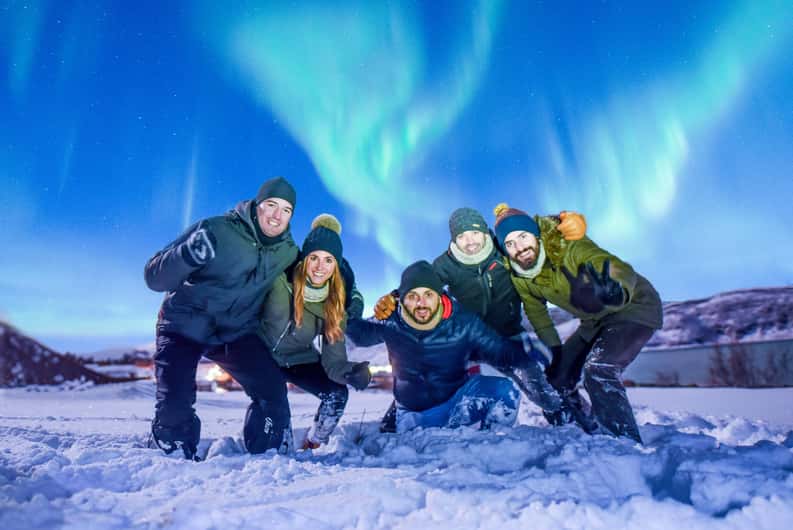 Evening outdoorsNorthern lights safari with photosCheck the time spent waiting outside and whether a thermal suit is included.From €57 per personCheck availability ↗︎
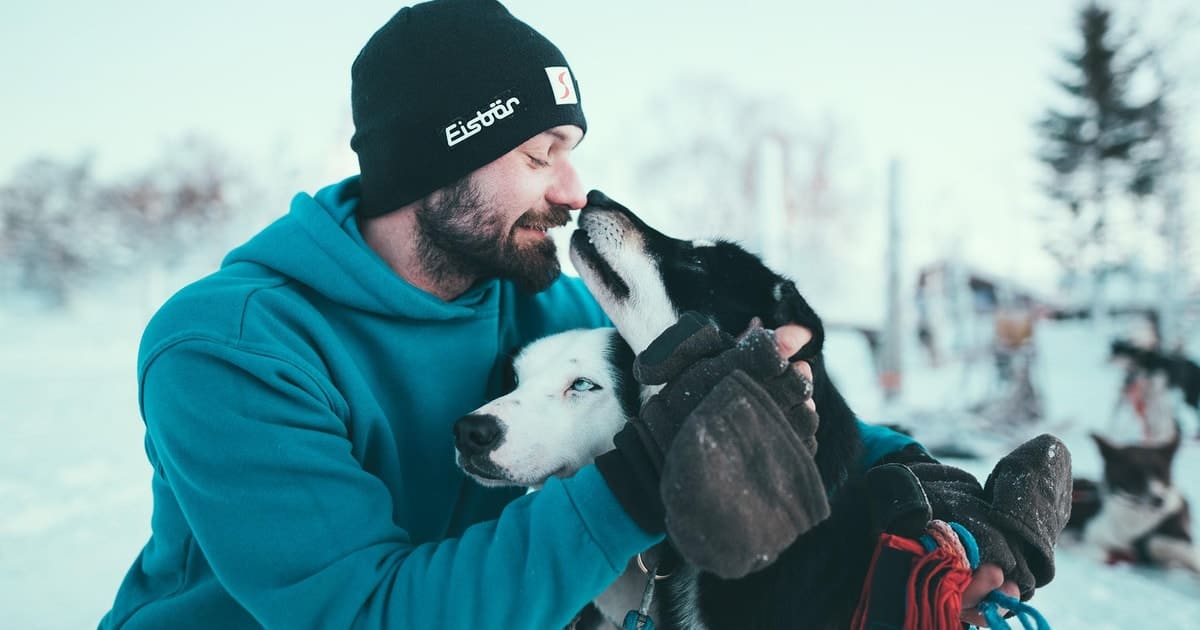 Active sleddingSelf-drive husky sledding on KvaløyaCompare the provided boots and thermal suit with the layers you need for movement.From €315 per personCheck availability ↗︎
A day bag that covers the avoidable problems
Bring a power bank, water, personal medication and a snack if no meal is included. Keep spare camera batteries warm and add a lens cloth. A small bag is easier to manage on a shared vehicle than a large suitcase.
For longer independent outings, the Norwegian Trekking Association recommends spare warm clothing and emergency basics. A remote winter route needs more planning than a walk around town.
What can you leave out?
You may already own enough layers. Prioritise dry feet, protection from wind and warmth while standing still. Check what activities already supply before buying specialist outerwear twice.
Try everything together at home: boots with socks, hood over hat, gloves with your phone or camera. That quick test is more useful than carrying another jumper that does not fit under your jacket.
Primary sources
Conditions and public information can change. These sources were reviewed on 10 October 2026.
Norwegian Trekking Association: clothing layers ↗︎Norwegian Trekking Association: winter day-trip pack ↗︎Common questions
FAQ
What should I wear in Tromsø in winter?
Use a wool or synthetic base, adjustable insulation, weather-ready outerwear, warm boots, wool socks, mittens, a hat and neck protection.
Do I need snow boots in Tromsø?
Warm water-resistant boots with traction and room for dry wool socks are useful; check the actual snow, rain and ice conditions for your dates.
Are jeans enough for a northern lights tour?
Jeans alone are a poor choice for a long cold wait. Add insulating leg layers and weather protection, even if a thermal suit is supplied.
Do Tromsø tours provide thermal suits and boots?
Many winter products do, but items, sizes and age ranges vary. Confirm the selected option rather than assuming all gear is included.
Should I bring ice grips for city pavements?
They can help when pavements are icy. Check the current conditions and remove them where indoor floors or operators require it.
What extra gear matters for northern lights photography?
A stable camera support, spare batteries kept warm, liner gloves and a lens cloth help you work without leaving your hands exposed.
Next decision
Choose winter activities before finalising the kit
Check which winter clothing your chosen activity provides, then pack the layers and footwear you still need.
Compare options