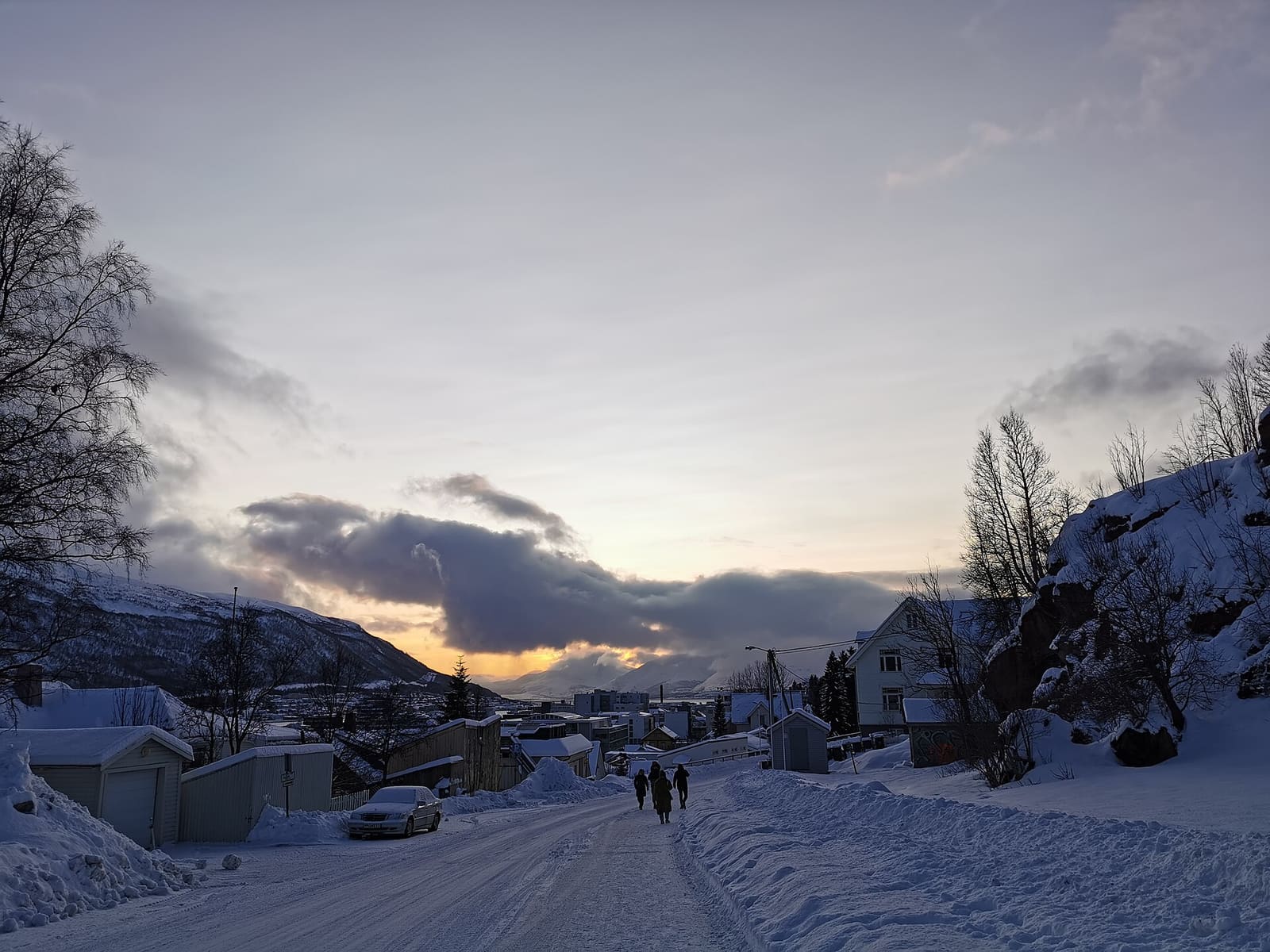
Winter at a glance
- Polar Night runs from late November into January, but the sky can brighten around midday.
- February and March offer much more daylight than December.
- Use removable layers and protect your hands, feet and face.
- Good boots and removable ice grips can help on slippery streets.
- Keep room for snow, road and sea tours to change with conditions.
Which version of winter are you visiting?
Winter does not arrive as one fixed set of conditions. November can be wet or snowy; December is shaped by Polar Night; March has much longer days. Check the daylight for your week before treating any winter itinerary as a template.
Want the darkest atmosphere? Look at December or early January. Want more time for daytime scenery while keeping dark evenings? Compare February and March before you book.
Polar Night still has daylight-like twilight
During Polar Night, the sun stays below the horizon, but midday can still bring blue or pink twilight. That brief brighter window is useful for a viewpoint, scenic drive or animal activity.
Keep museums, meals and rest for darker hours, especially if you are going out again at night. A current sun table will show how much twilight your dates actually have.
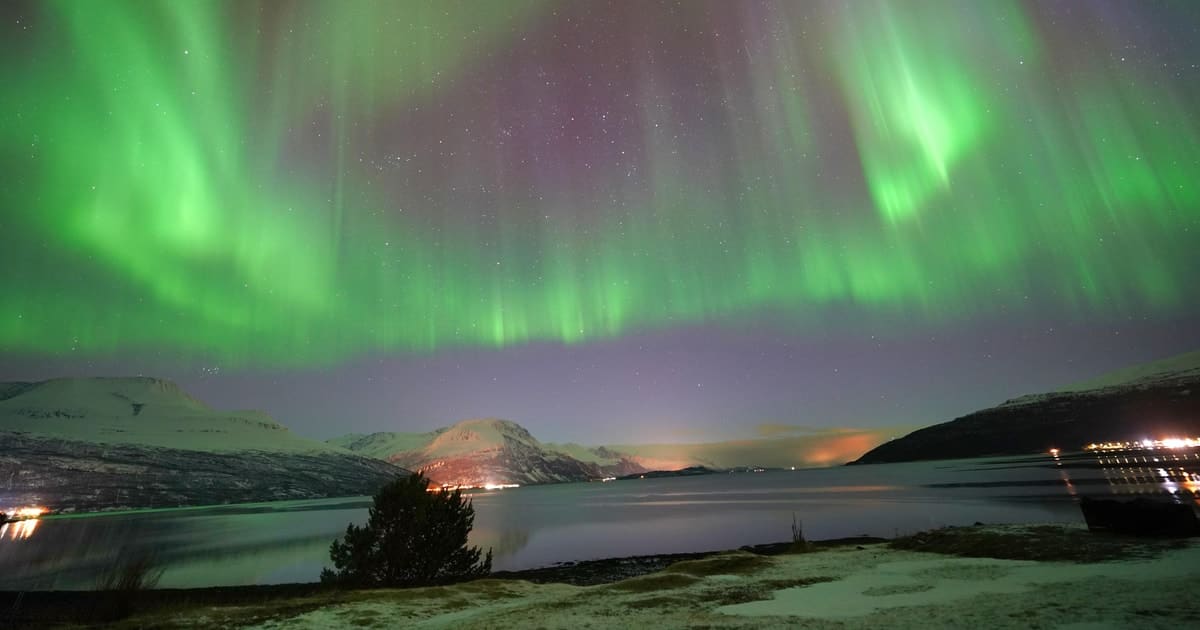
What to wear in Tromsø in winter
Think in layers you can change: a base layer, warm fleece or wool, and an outer layer that blocks wind. Walking uphill, sitting in a sled and waiting beside a dark road do not call for the same amount of insulation.
Warm socks, insulated boots, mittens, a hat and neck protection deserve space in the bag. A tour may lend you a thermal suit or boots, but check exactly what the selected option supplies and bring your own essentials.
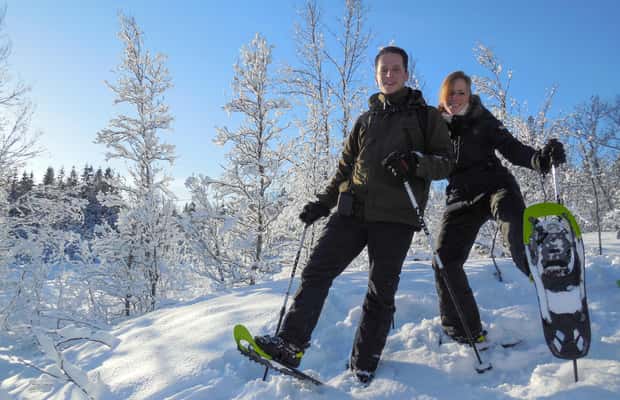
An easy packing test
Can you remove a layer indoors, add one at an exposed stop and keep your hands and feet warm while inactive? If yes, the outfit is more useful than one heavy coat you cannot adjust.
City ice is a separate problem from cold
An ordinary walk can take longer when streets are icy. Choose boots with grip; removable ice grips are useful on some days, though you may need to take them off indoors or on other surfaces.
Allow more time for hills, luggage and meeting points than a summer map suggests. If walking or balance is difficult for someone in your group, ask about the route and outdoor access before booking.
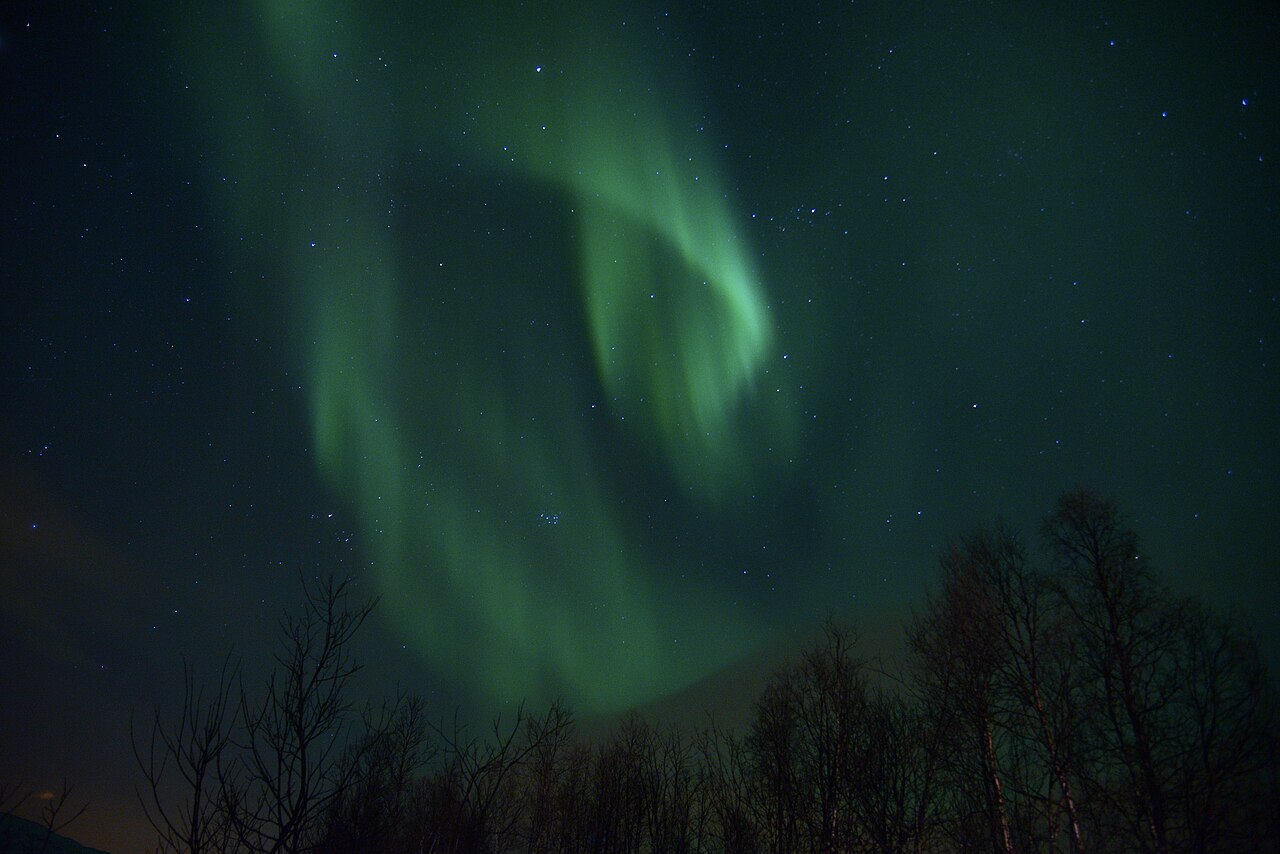
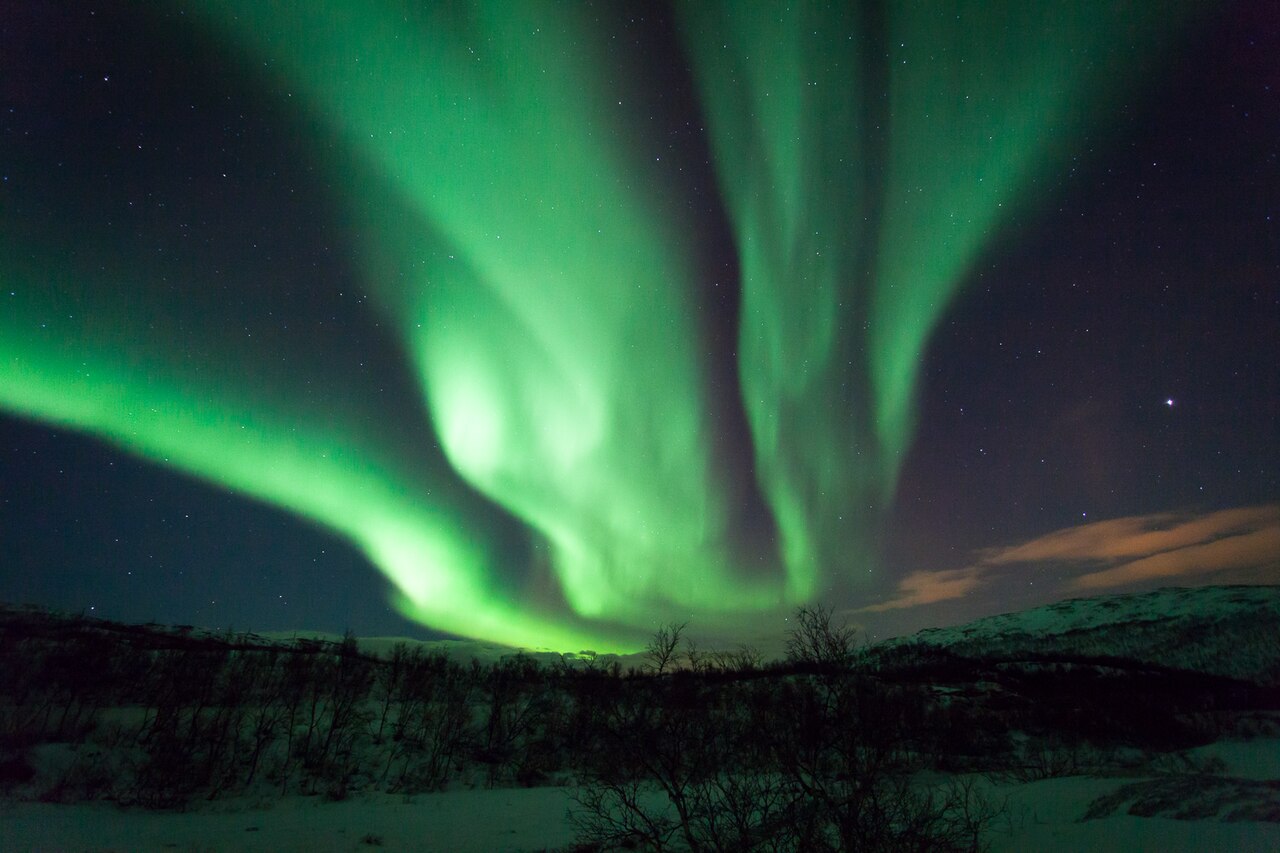
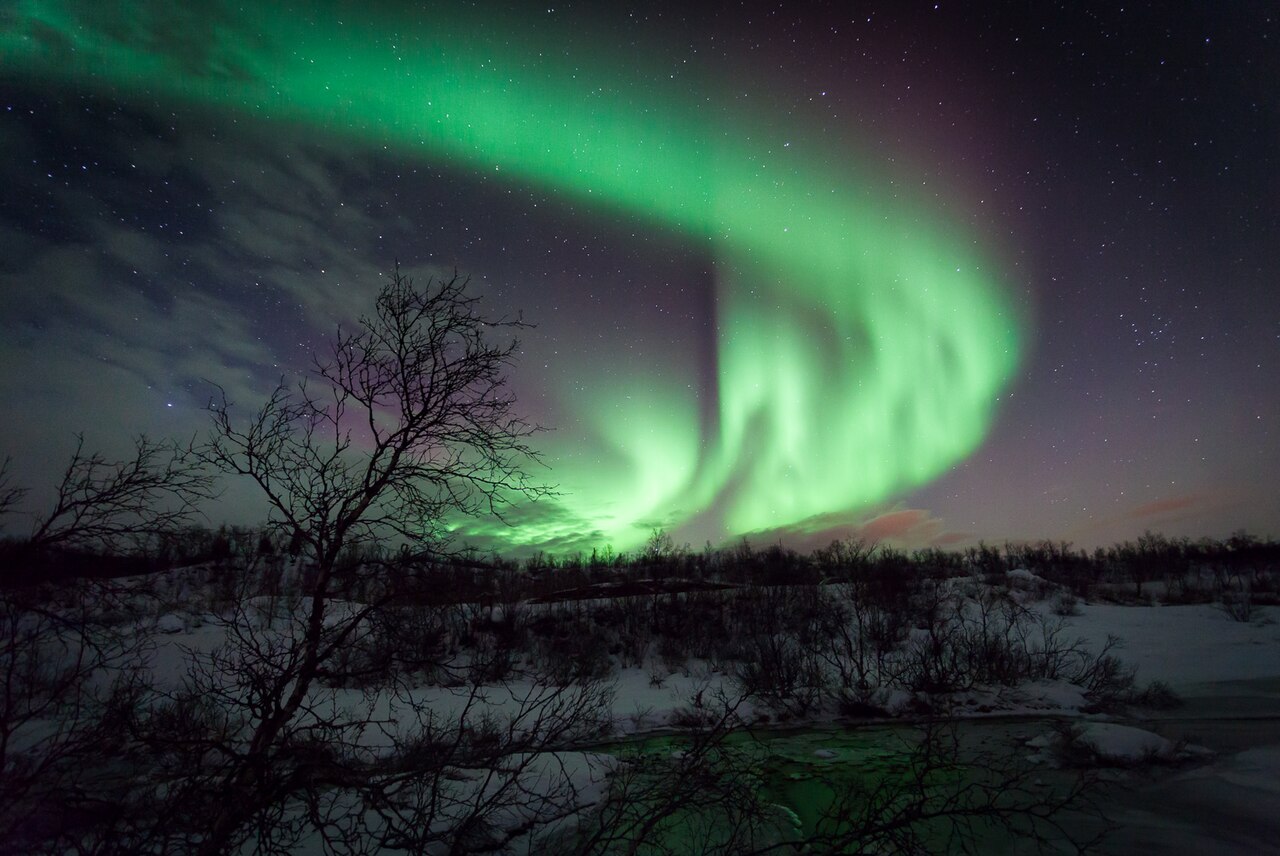
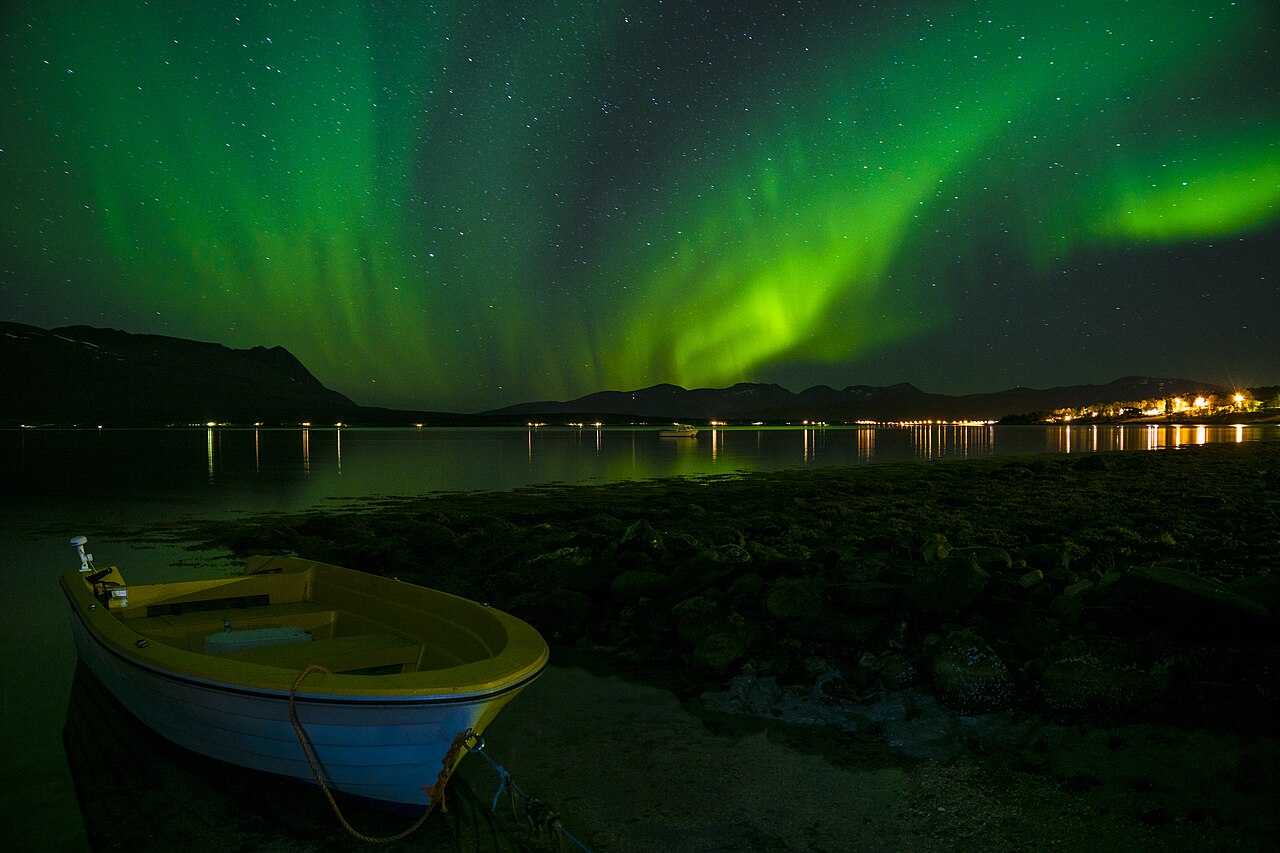
Why an aurora tour can feel colder
A forecast temperature tells only part of the story. Standing still for a long stop, especially in wind or damp air, can feel much colder than walking between cafés in town.
Dress for that quiet waiting time. If your chase may return late, give yourself a slower morning rather than pairing it with an early demanding tour.
Snow activities and weather changes
Dog sledding and snowmobiling need suitable routes. An advertised winter season does not guarantee that a November or late-season departure will run on the same trail or in the same format.
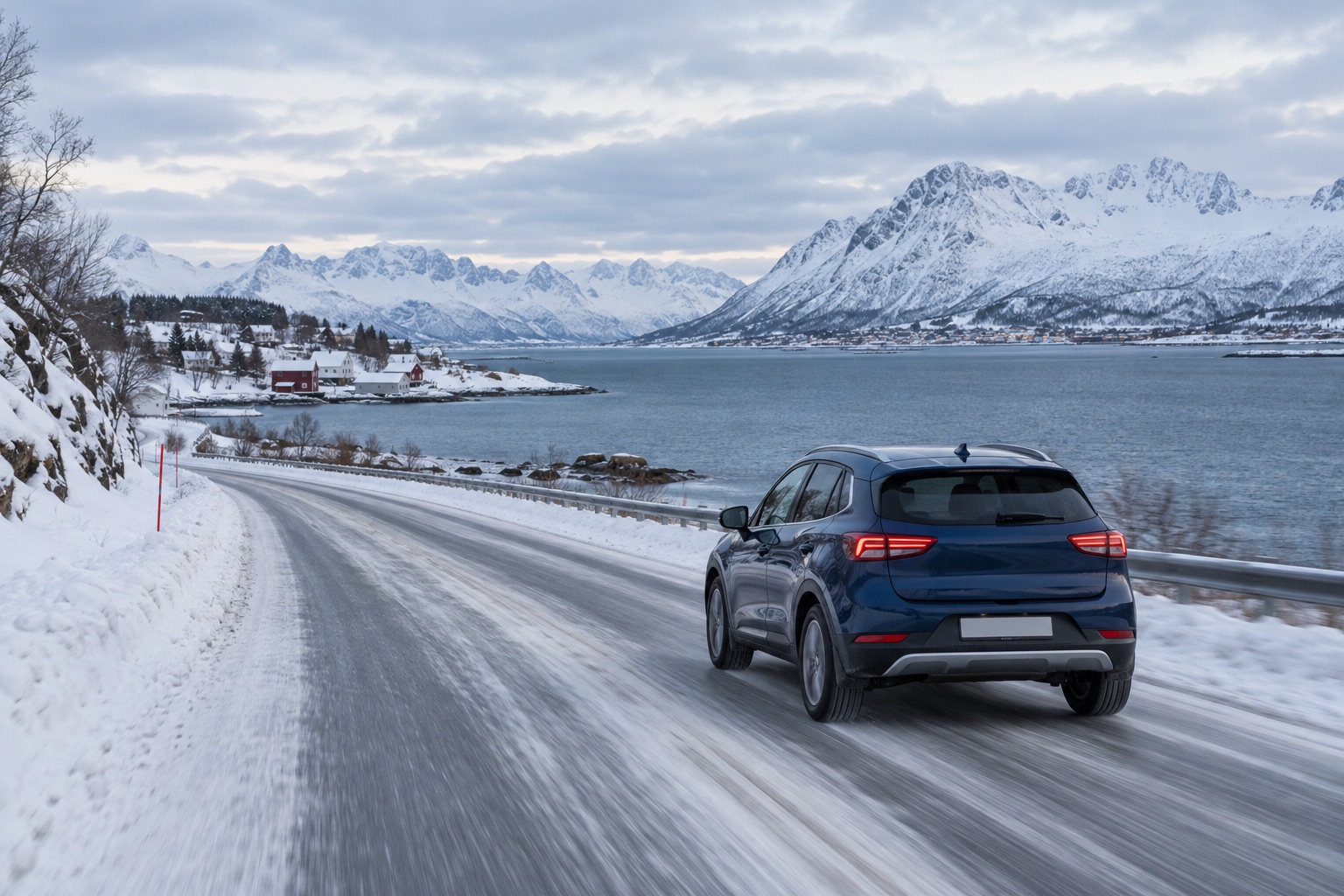
Road and sea conditions can change an outing too. Read the weather and refund terms, and leave a spare block if missing the activity would be a major disappointment.
Relevant activities
Choose an evening and a daytime experience
Compare the time outdoors, included transport and clothing before choosing activities for the same winter trip.
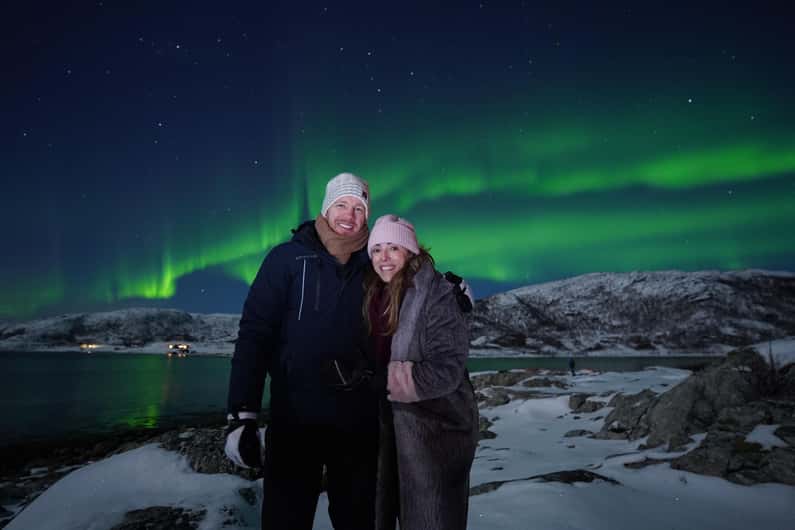 Northern lights attemptLong-range small-group northern lights chaseA mobile, small-group evening for travellers who can manage a variable return time.From €152 per personCheck availability ↗︎
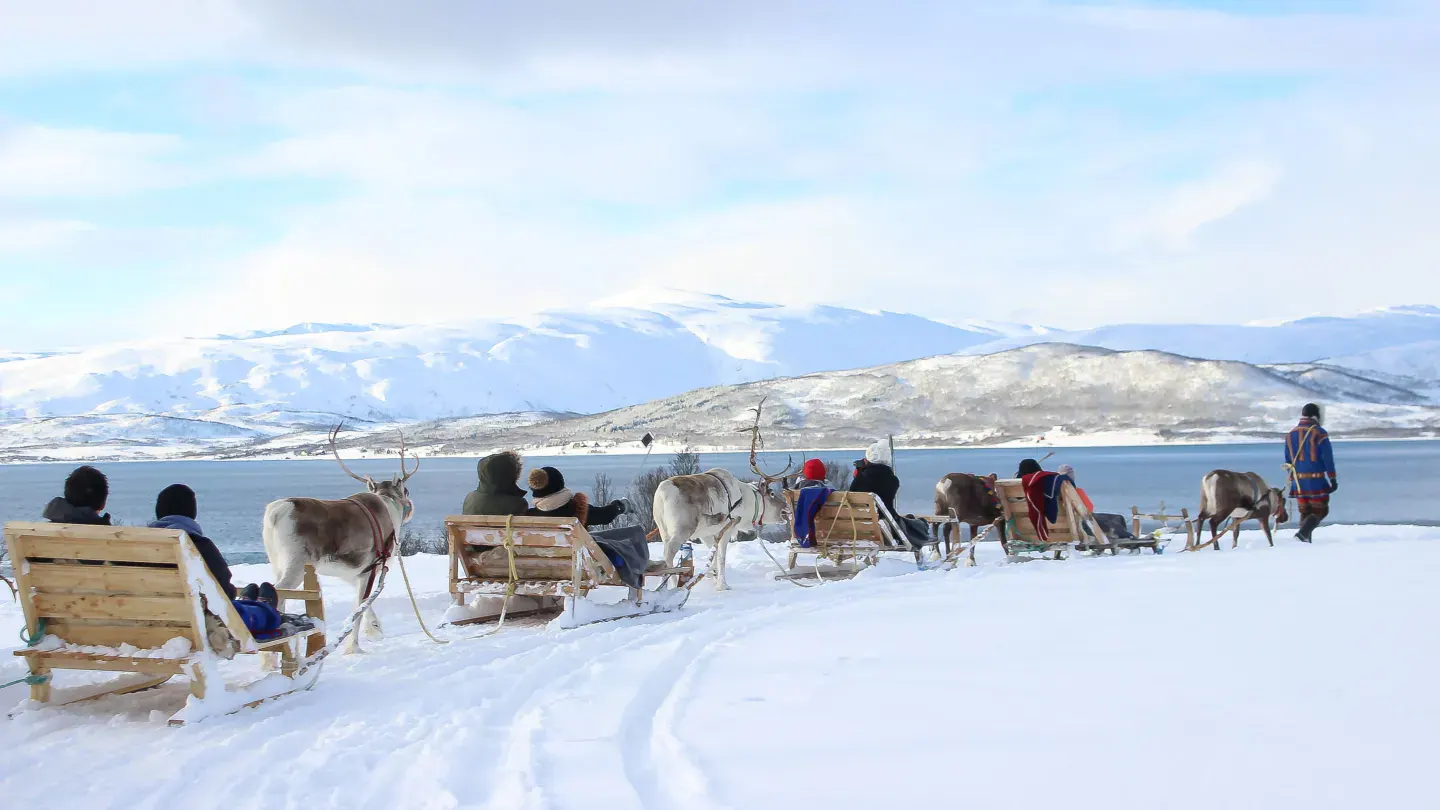 Daytime winter outingDaytime reindeer sledding and feedingA camp visit with reindeer feeding and a short sled ride when conditions allow.From €178 per personCheck availability ↗︎
Plan a winter day you can enjoy
Use the brightest hours for scenery or one main tour. Eat and take a break before a late departure; keep the following morning realistic. You can have a full winter day without stacking two demanding outings.
A central base makes it easier to warm up between plans. Compare where to stay in Tromsø by the meeting points you will actually use, not just a hotel photograph.
Travelling with children or someone who feels the cold quickly? Compare total travel time, shelter, toilets and the minutes actually spent outside before committing.
The final check before departure
A few days before you travel, look again at daylight, the local forecast and the operator’s instructions. Check the status of snow-dependent outings and save the correct meeting point; a plan made months earlier needs that final check.
- Check snow-dependent tour status.
- Confirm clothing and footwear supplied.
- Save the correct meeting point and return details.
- Read age, health and mobility rules.
- Keep one weather alternative.
Our planning rule
Plan clothing around the coldest, least active part of the day rather than the city forecast. Standing still at an aurora stop, sitting in a sled and walking between restaurants are three different thermal problems.
- Pack removable layers instead of one very heavy outfit
- Protect feet and hands before adding another torso layer
- Carry traction aids when ice is likely, then remove them indoors
Primary sources
Conditions and public information can change. These sources were reviewed on 10 October 2026.
Visit Norway: Tromsø in winter ↗︎Time and Date: Tromsø sun and twilight ↗︎Norwegian Meteorological Institute: local forecasts ↗︎Common questions
FAQ
Is Tromsø completely dark in winter?
No. During Polar Night the sun does not rise, but midday twilight can still provide natural light. Its duration changes through the season.
How cold is Tromsø in winter?
Conditions vary by date, wind and location. Plan clothing for the coldest, least active part of your day rather than relying on one average city temperature.
What shoes should I wear in Tromsø in winter?
Use warm, weather-resistant boots with good grip. Removable ice grips can help on slippery streets, but follow venue guidance indoors.
Is March still winter in Tromsø?
Yes, snow can remain and winter activities may still operate. March also has considerably more daylight than December, so verify conditions for your exact dates.
Can I wear ski clothing everywhere in Tromsø?
It works outdoors, but indoor spaces are warm. Removable layers are easier to manage than wearing a full ski outfit all day.
Why can a tour feel colder than the forecast?
Wind, moisture and long periods standing still can make the same air temperature feel much colder than it does during an active city walk.
Next decision
Compare winter activities for your dates
Compare winter outings by their actual date, time outdoors and clothing provided, then read the weather terms.
Compare options