The short answer
- Daylight grows through February; check the times for your week.
- Dark evenings allow aurora attempts when cloud and activity cooperate.
- Snow tours depend on the route and conditions, even in winter.
- Do not assume whale departures are available without checking current dates.
- Try the first aurora evening early in the stay and keep weather flexibility.
| Decision | Good February fit | Check before booking |
|---|---|---|
| Snow day | Dog sledding or reindeer camp | Trail, age rules and time outside |
| Dark evening | Mobile aurora chase | Cloud, return time and no-sighting policy |
| Scenic daylight | Fjord road trip or cruise | Light window, road or sea conditions |
How February light changes the day
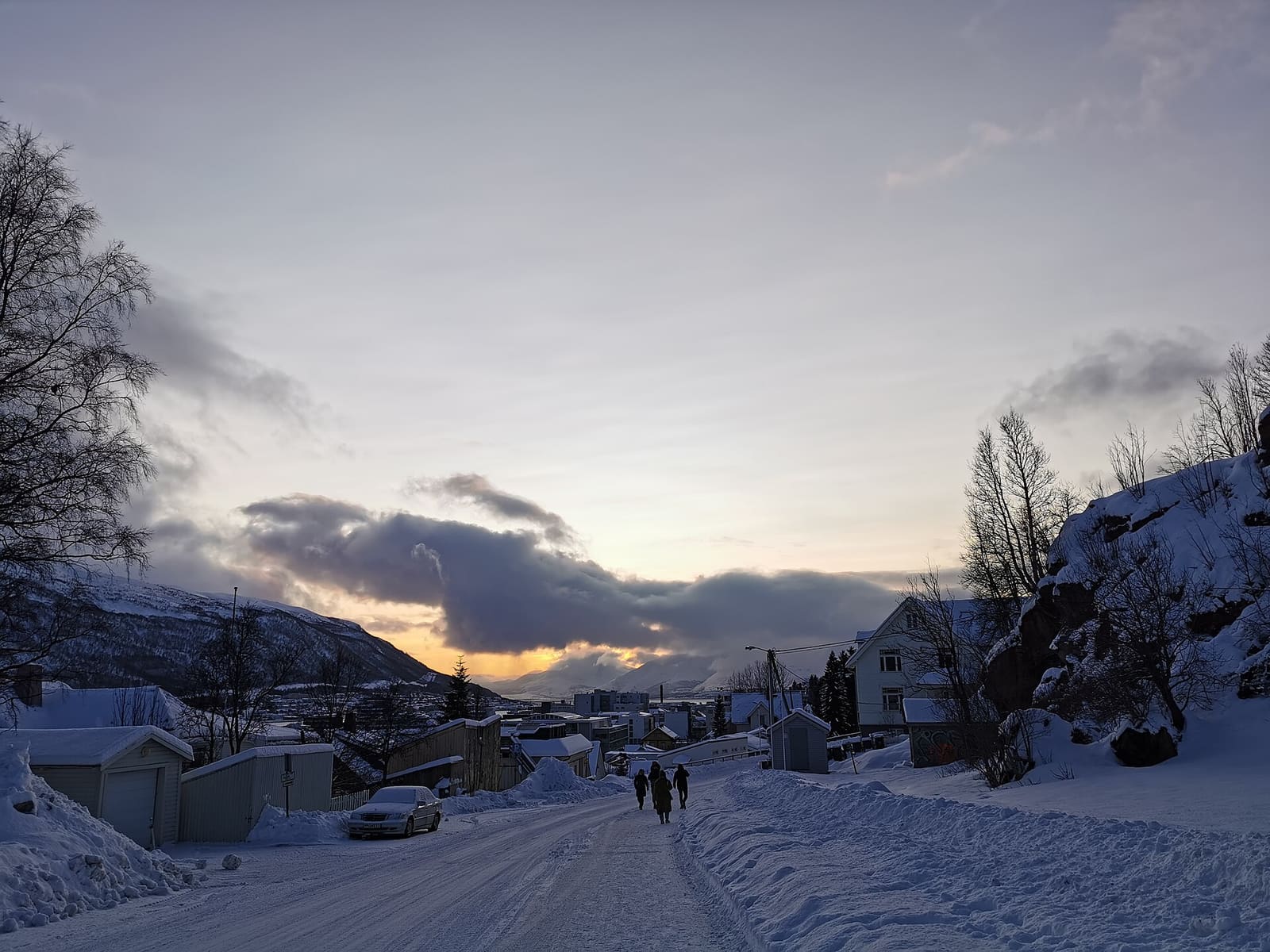
Polar Night is over, and the daylight window lengthens throughout February. Look up the exact sunrise and sunset for your dates: a plan written for the beginning of the month may use light differently from one near its end.
Give the bright hours to mountain views, coastal stops and photographs. A city walk, museum or meal can fill the darker edges without squeezing the main outing.
What should you expect from the weather?
February can bring snow, wind, ice or a coastal thaw. The weather in town may not match a mountain stop, inland camp or boat deck. Check the forecast close to departure and follow the operator’s safety update.
Warm layers, grippy boots and dry gloves matter more than one average temperature. Standing still under the aurora can feel colder than walking through town at the same reading.
Northern lights: use the first suitable evening
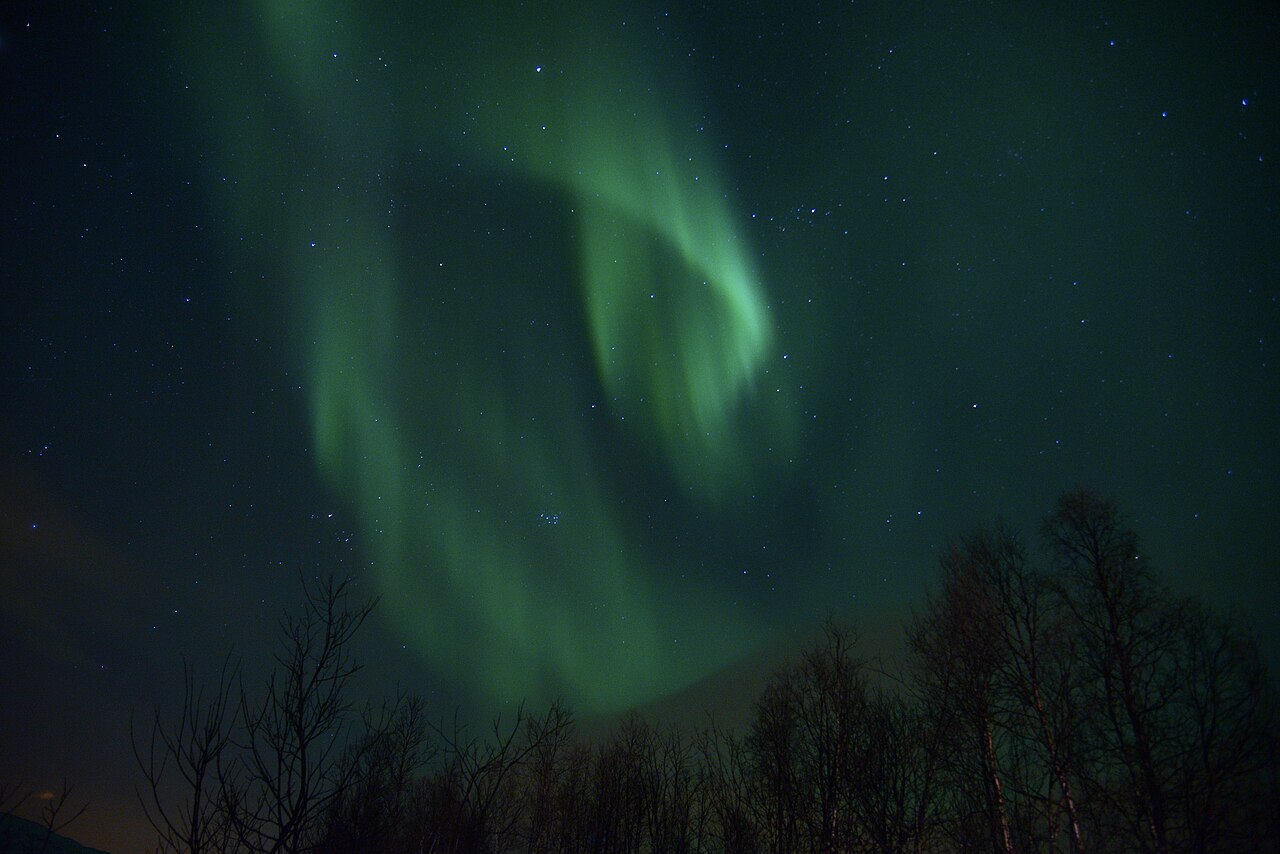
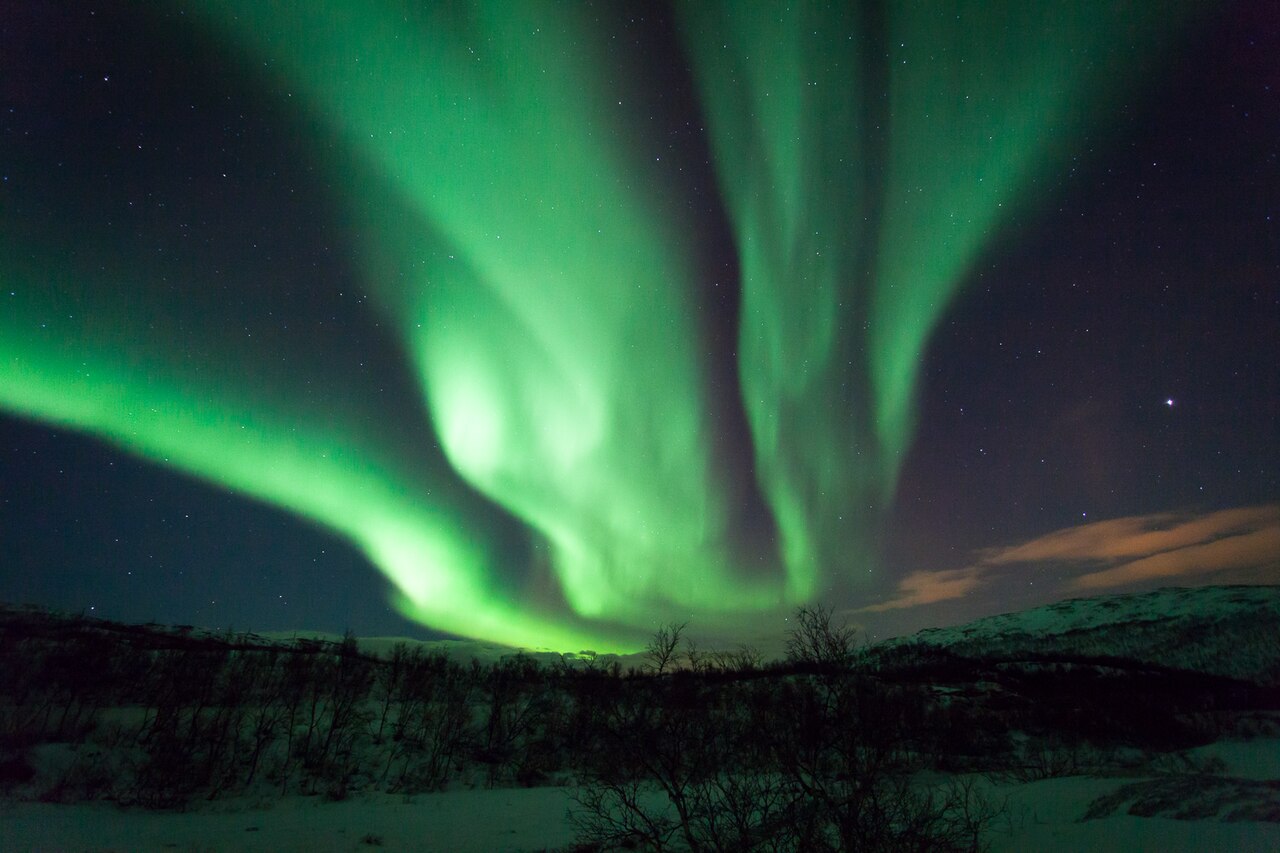
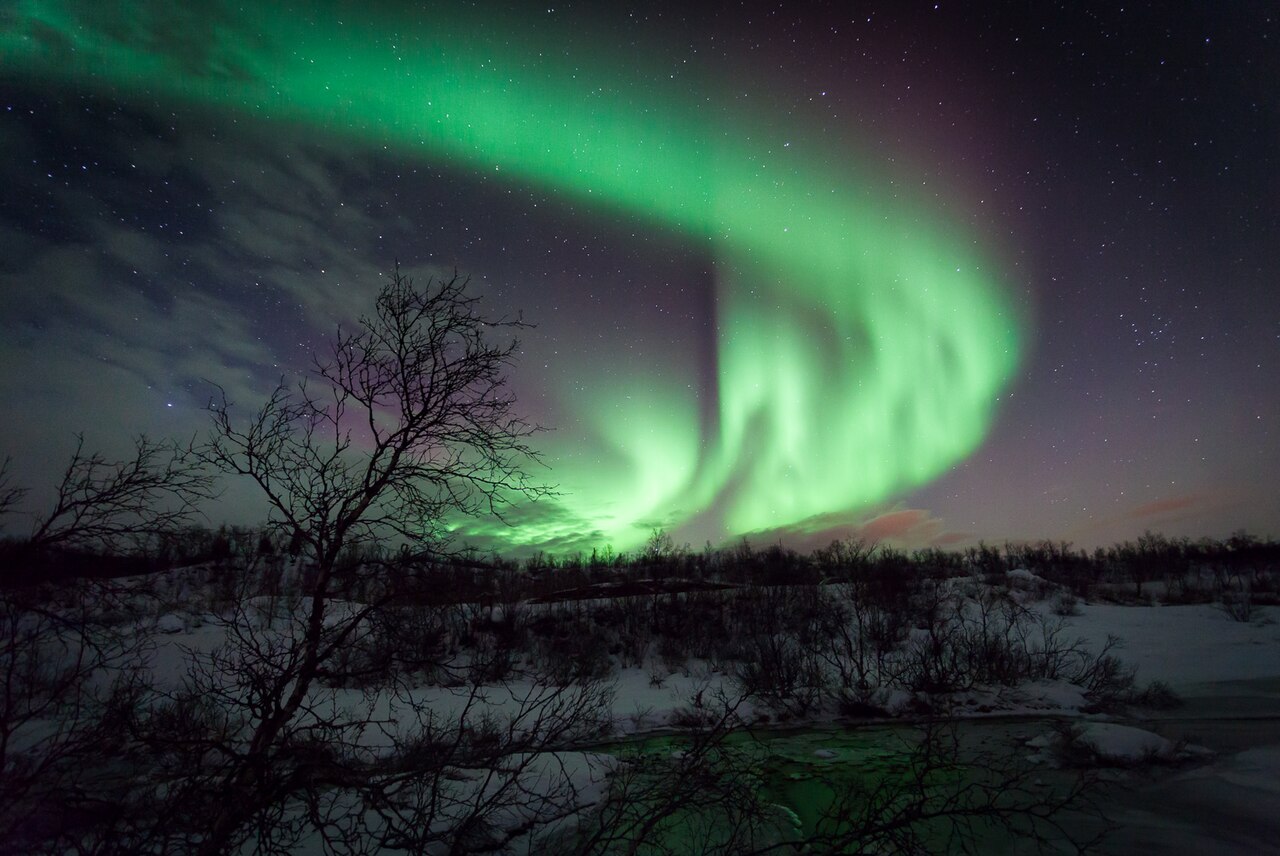
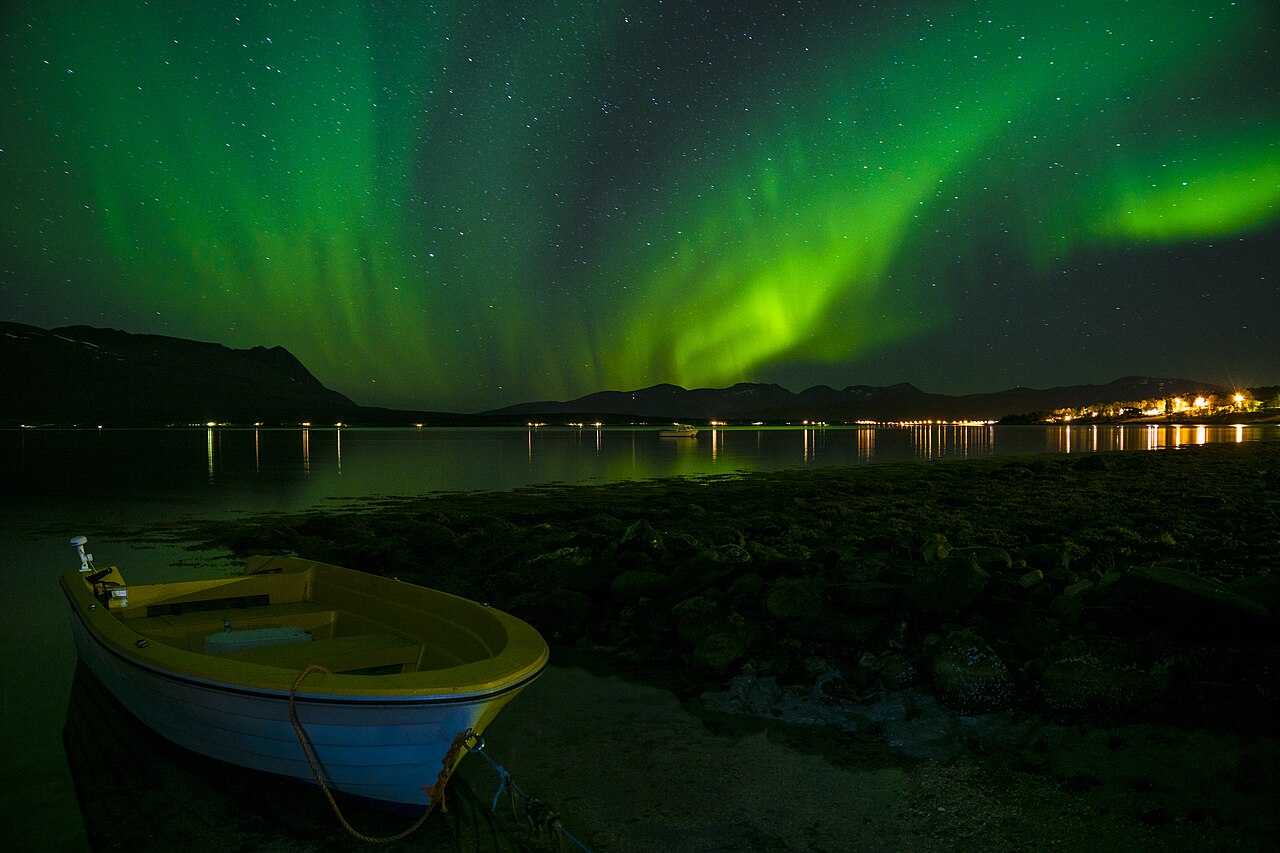
February is dark enough for aurora viewing, but cloud and natural activity still decide each night. Leave more than one possible evening if the lights are a main reason for the trip.
A mobile road chase can look for another weather window; a fixed viewpoint cannot. Use the first suitable evening that works with your arrival and energy rather than leaving the only attempt for the last night.
Snow activities and actual time on the trail
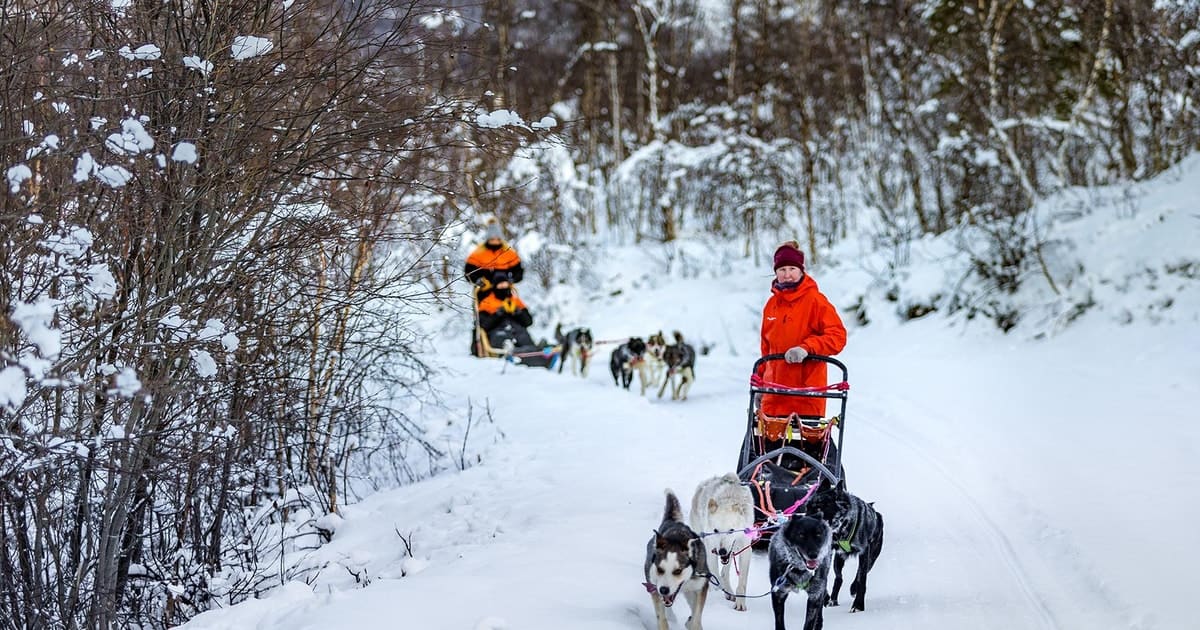
A self-drive tour means balancing and braking the sled, and sometimes helping the dogs. On a passenger sled, a musher drives. Either booking includes more than trail time: transport, clothing, briefing and camp time can take much of the total.
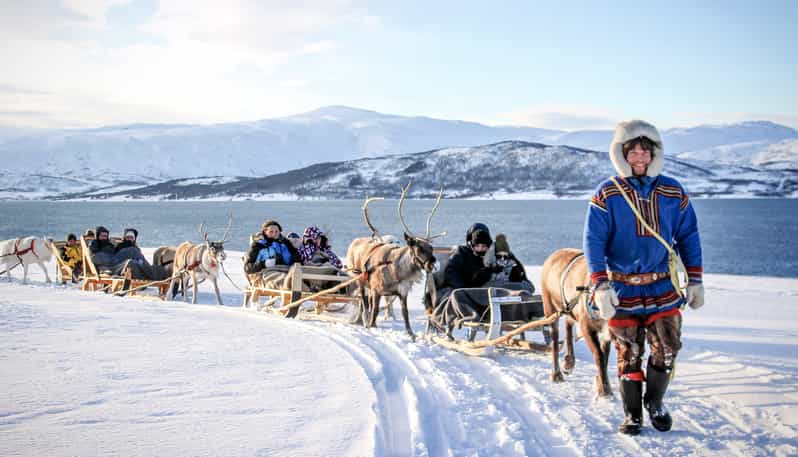
Compare the stated ride minutes, age and fitness rules and gear supplied. Reindeer camps, snowshoeing and skiing ask different things of your group; choose by the actual day, not just the photograph.
Relevant activities
Choose a snow day and an aurora evening
These activities use different hours. Check the exact trail, clothing, meeting point and return before fitting both into a short stay.
 Daytime snow outingSelf-drive husky sledding on KvaløyaAn active self-drive sled tour; confirm trail minutes, fitness rules and current snow conditions.From €315 per personCheck availability ↗︎
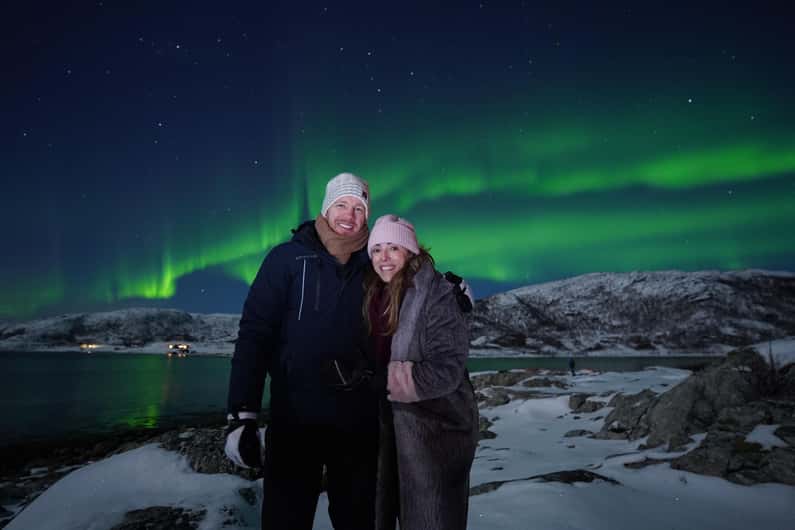 After-dark attemptLong-range small-group northern lights chaseA mobile evening chase that can return late and cannot guarantee a sighting.From €152 per personCheck availability ↗︎
Whale watching and what not to assume
Whales follow feeding conditions rather than a fixed calendar. Many seasons end around late January or early February; use a current operator listing before buying February travel mainly for whales.
A scenic fjord trip can still be a fine coast day, but it is a different experience. Book it for the landscape rather than as a promise of wildlife.
A three- or four-day February plan
Keep arrival day gentle with a city plan and an aurora attempt only if you are rested. Use one full day for snow and another for the coast in daylight. Leave a half-day or fourth day movable in case weather changes.
Avoid pairing a late aurora return with an early dog-sled pickup. Check each meeting point, transfer and return before fixing two activities together.
Primary sources
Conditions and public information can change. These sources were reviewed on 10 October 2026.
Time and Date: Tromsø sun and twilight ↗︎Yr: current Tromsø weather ↗︎Common questions
FAQ
Is February a good time to visit Tromsø?
Yes if you want winter activities, returning daylight and dark evenings. The exact snow, wind and cloud conditions still vary.
How much daylight does Tromsø get in February?
Daylight increases quickly from the start to the end of the month. Check sunrise and sunset for your exact travel dates.
Can you see the northern lights in Tromsø in February?
Yes, the nights are dark enough. A sighting depends on clear enough sky and auroral activity, so allow more than one opportunity.
Does dog sledding run in February?
Snow tours commonly operate, but trail conditions and individual departures must be confirmed with the operator.
Can you see whales in February?
Do not assume it. Some seasons or early-February dates may have departures, but feeding conditions and current listings decide.
What should I pack for Tromsø in February?
Adjustable warm layers, weather-ready outerwear, boots with traction, wool socks, hat and mittens. Check any tour-supplied gear.
Next decision
Choose a February outing that fits the daylight
Compare a snow outing and an aurora evening by their exact times and current terms for your February dates.
Compare options