The short answer
- March has much more daylight than the Polar Night months.
- Aurora viewing remains possible after dark when the sky cooperates.
- Snow tours may run, subject to their late-season trails and dates.
- Do not choose March expecting a normal whale-watching season.
- Use a long day for scenery and keep an evening flexible.
| Plan | Why March suits it | Limitation |
|---|---|---|
| Day trip | Longer light for coast and mountains | Winter roads and ferries still matter |
| Dog sledding | Snow outings may continue | Check the selected trail and date |
| Aurora chase | Dark evenings remain | Later sunset and cloud can change timing |
Why March feels different from midwinter
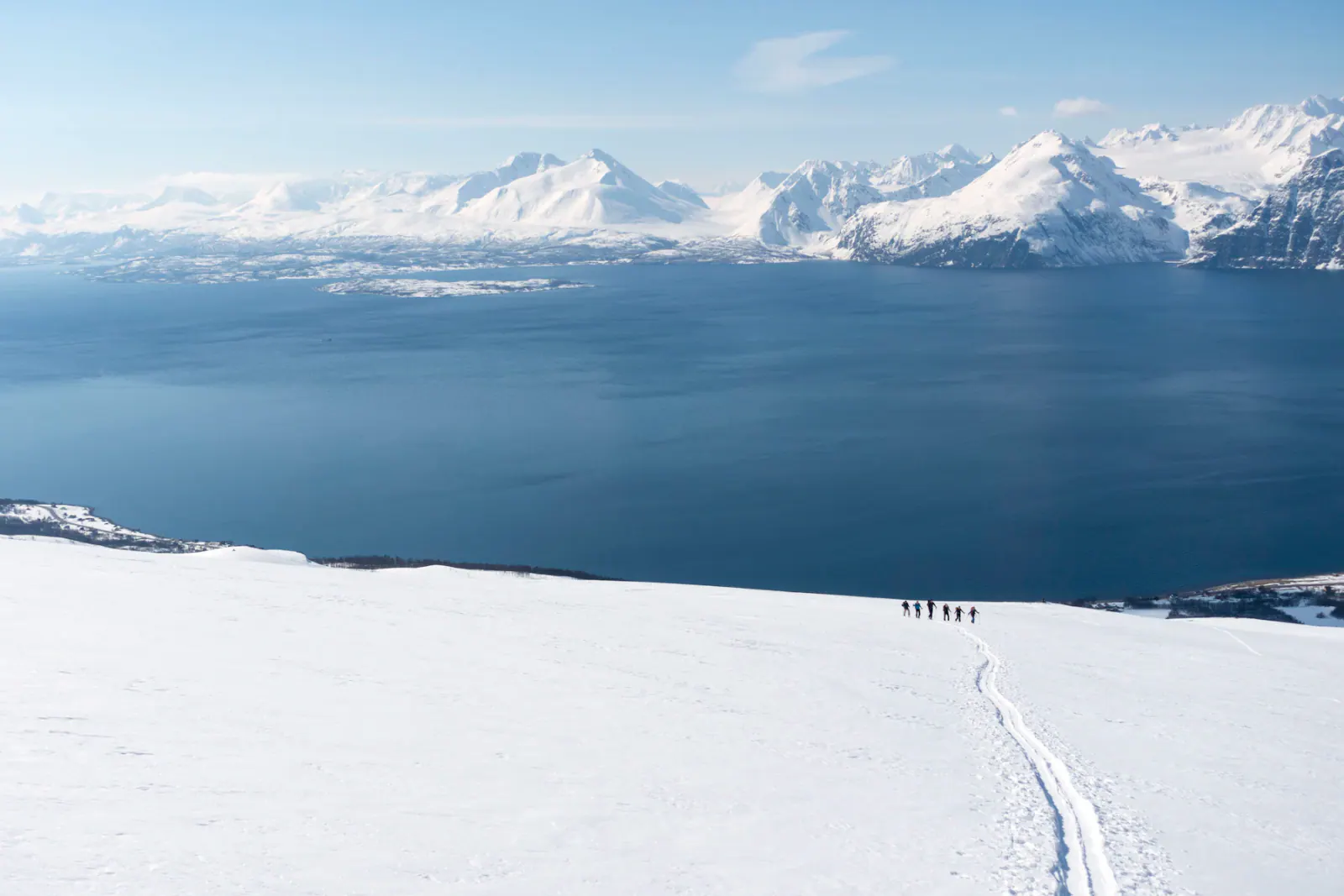
The sun has returned, and the light window grows quickly. A fjord or sled outing can have useful daylight without using every bright minute of the trip. Check your exact week because early and late March offer different schedules.
It is still Arctic spring. Snow and ice may remain on paths and city streets, and wind can make a clear day feel cold at an exposed stop.
March weather: build the plan around conditions
Check the forecast again near departure, then read the operator’s update. Sea conditions can change a cruise, while a road trip or snow route may have altered stops even when the city looks calm.
Wear layers for both a heated vehicle and a windy viewpoint. Boots with grip remain useful when a daytime thaw freezes again overnight.
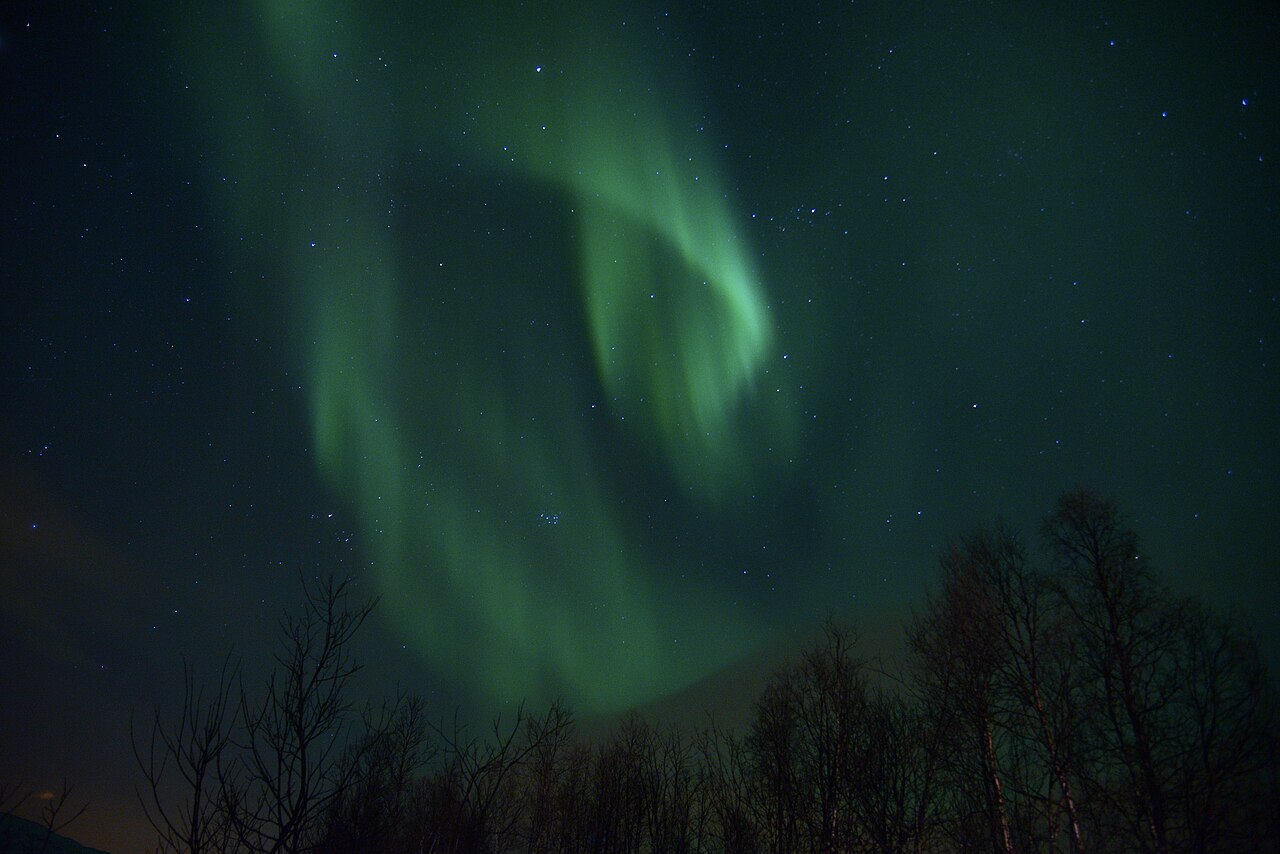
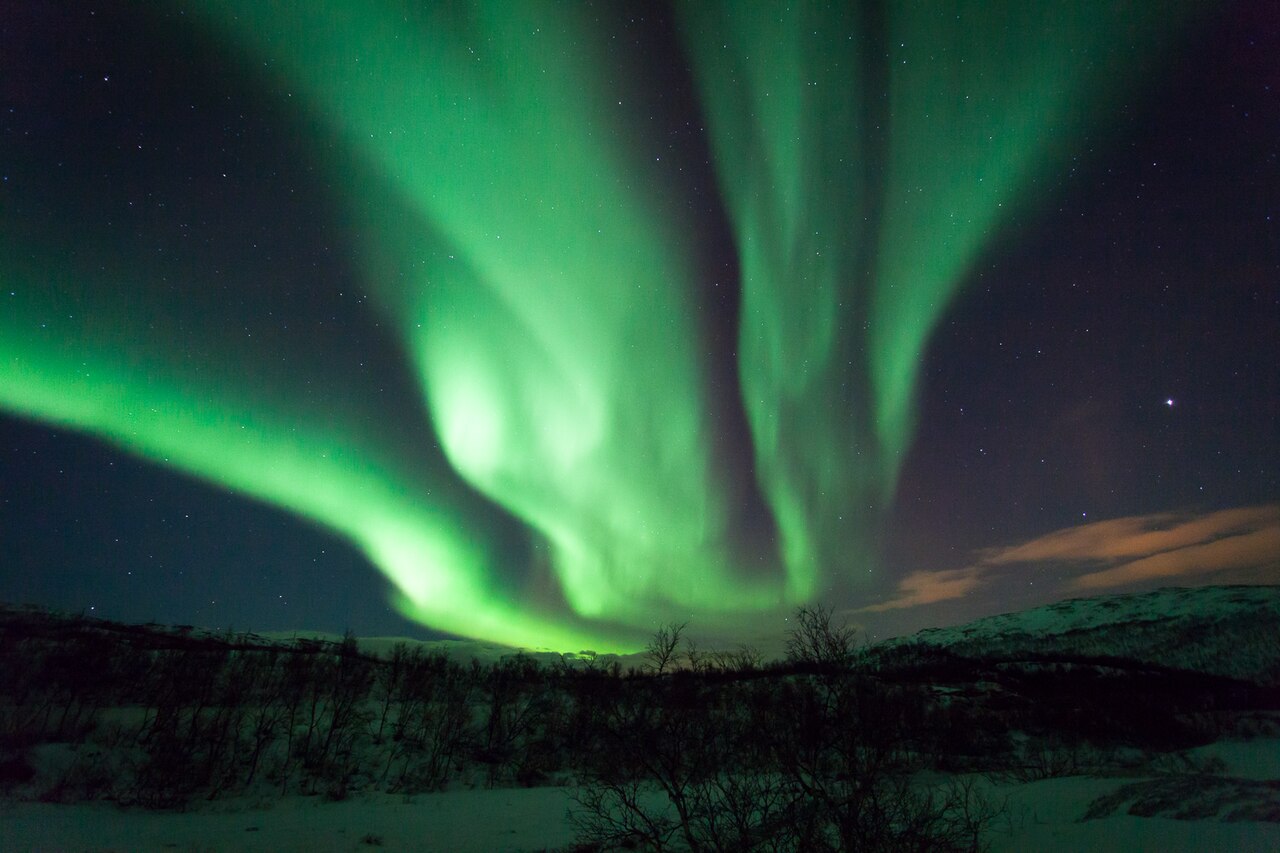
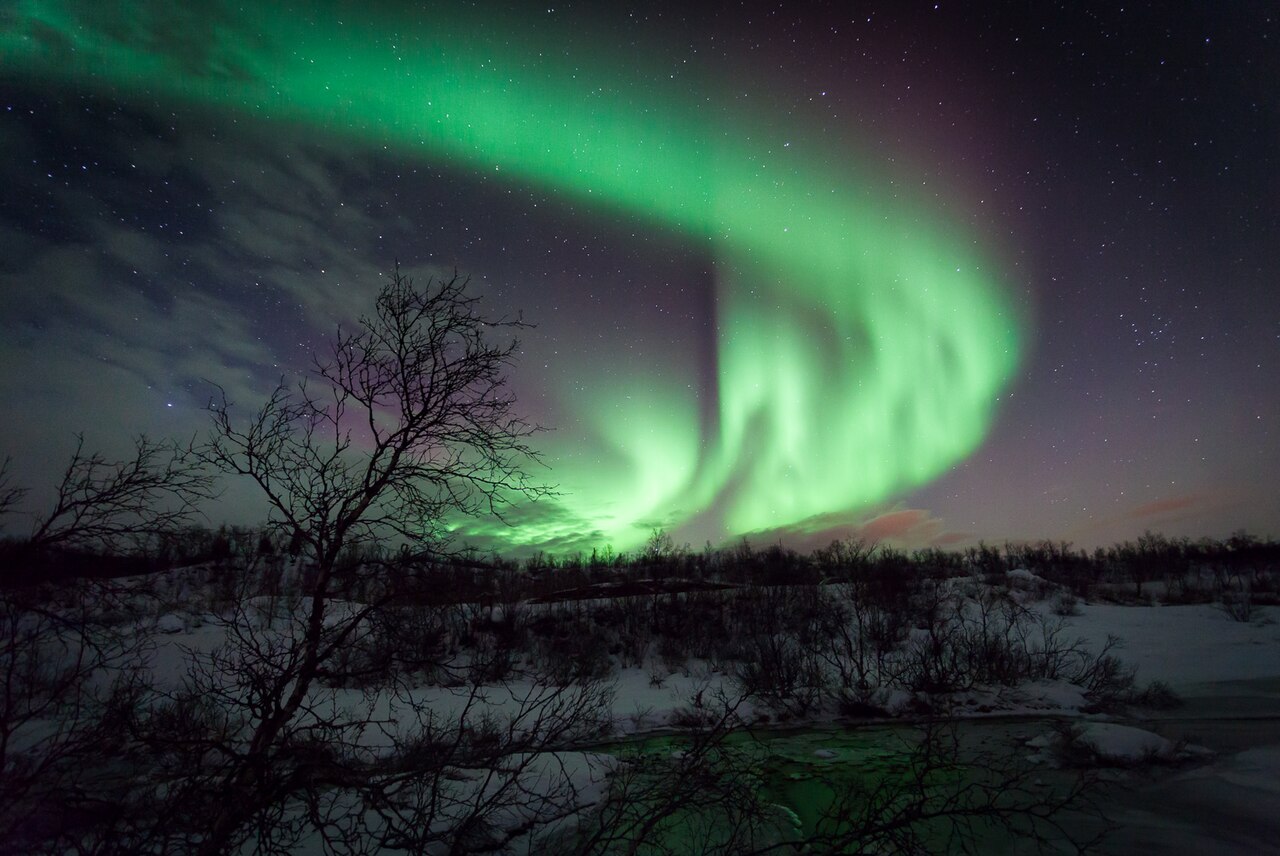
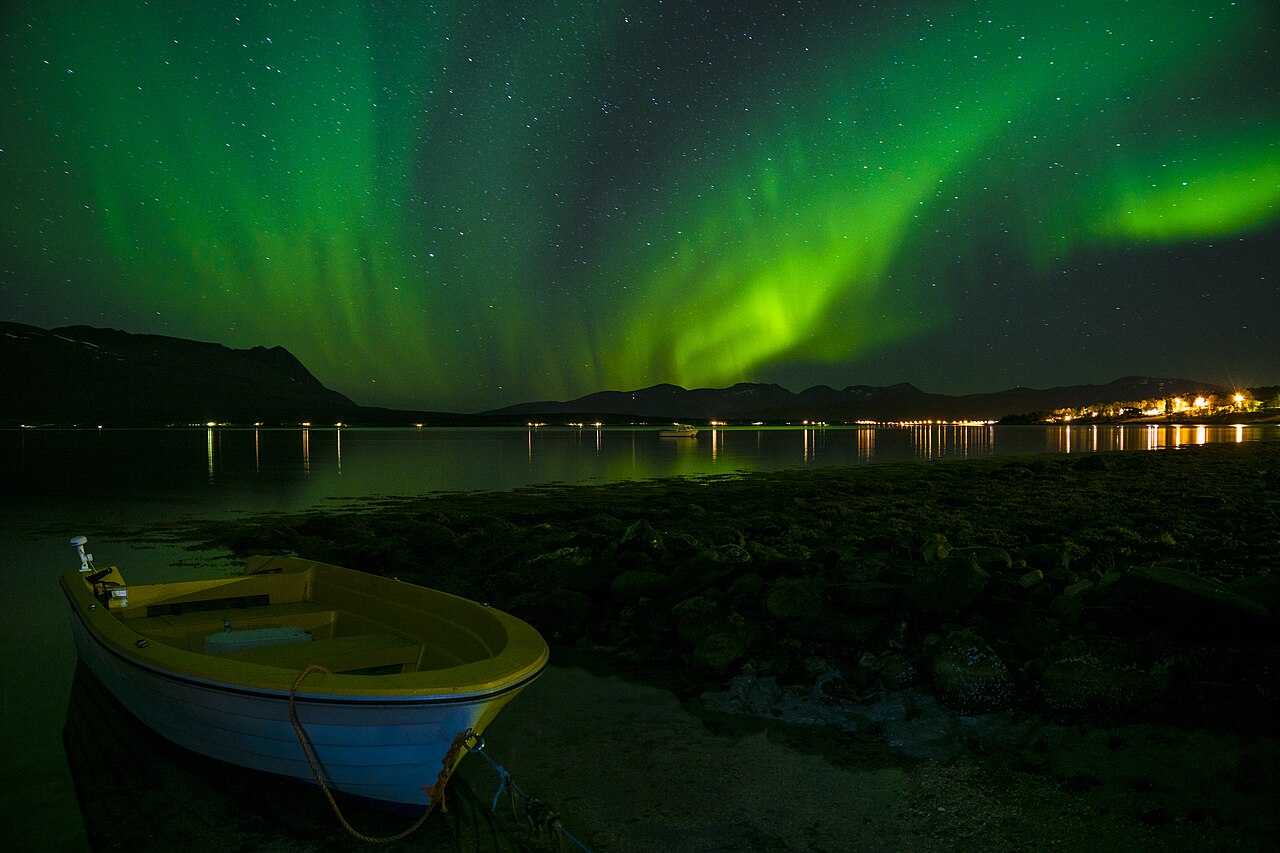
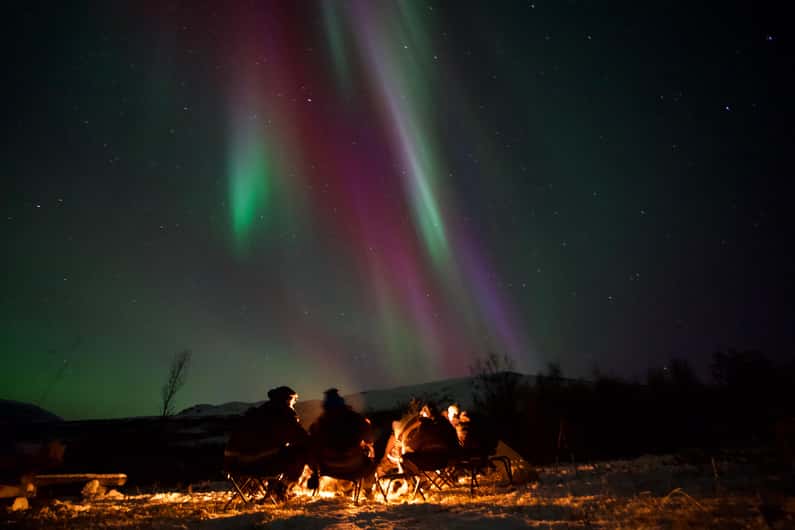
Northern lights are still possible
March nights can be dark enough, especially earlier in the month. As sunset moves later, plan the evening accordingly. Cloud and auroral activity remain the uncertainty on any particular night.
Try early enough in the stay to keep another chance. A small road group may move away from local cloud, while a safe city viewpoint is simpler on a clear night. Neither can promise a display.
Snow tours and what the booking actually includes
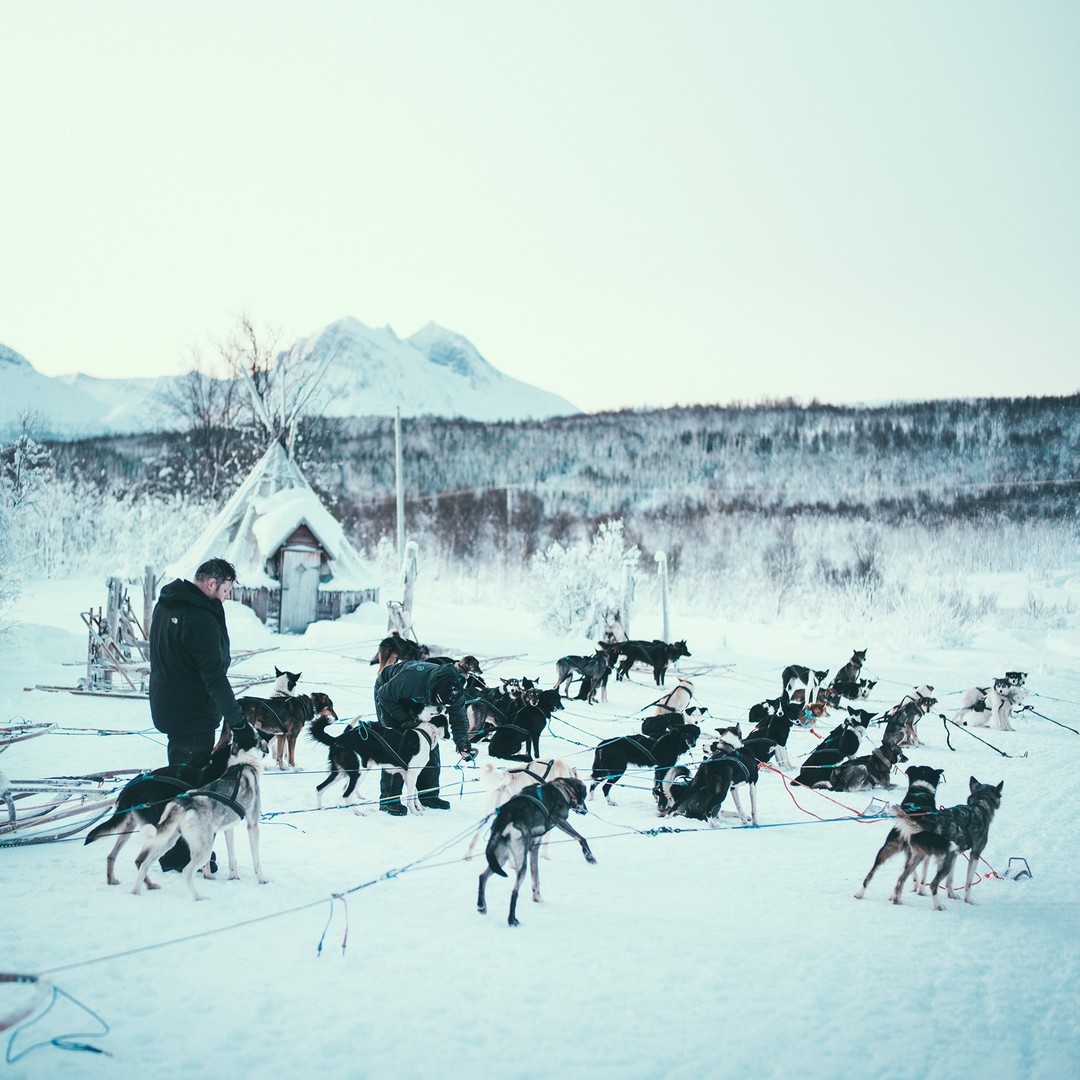
Dog sledding, reindeer visits, snowshoeing and ski outings may still run. Check the exact date, whether you drive or ride, time on the trail, age rules and clothing supplied.
A “snow tour” label cannot promise the same route at the end of every season. Read the live option and what the operator will do if conditions change.
Use the longer day for Sommarøy or another scenic trip
A Sommarøy road trip can fit a shorter stay more easily than a long Senja day. Choose Lyngen when the alpine scenery is worth a ferry and road journey to you. More daylight helps, but does not remove winter travel time.
Compare the full route and return, then check current road information. If you will drive, be honest about your comfort on winter roads.
Relevant activities
Use the March light, then the dark
A coastal trip uses the longer day; an aurora chase belongs after dark. Compare actual dates and return times.
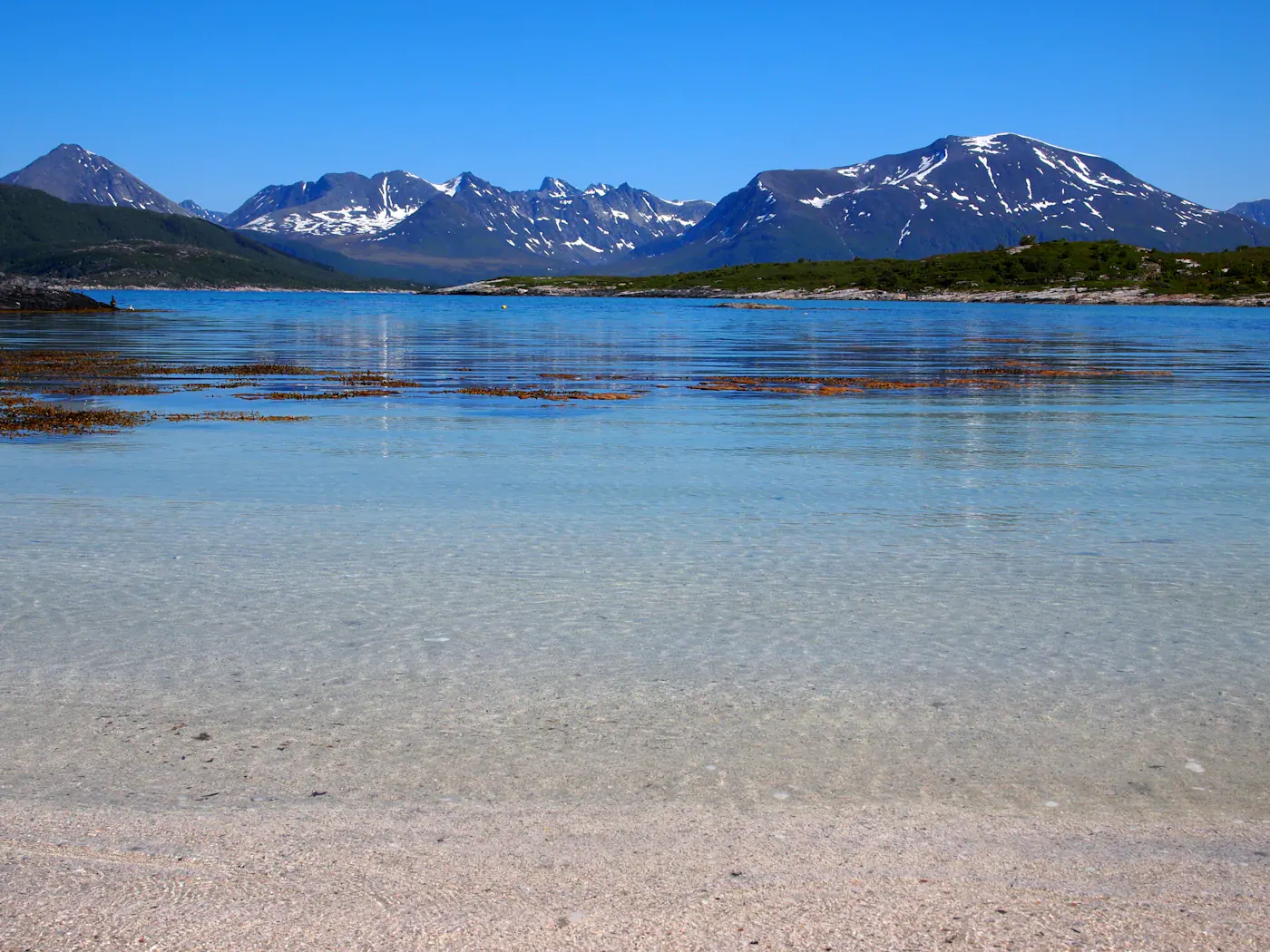 Coast by daylightKvaløya and Sommarøy fjord road tripA guided road trip with several stops; winter road and weather conditions still apply.From €68 per personCheck availability ↗︎
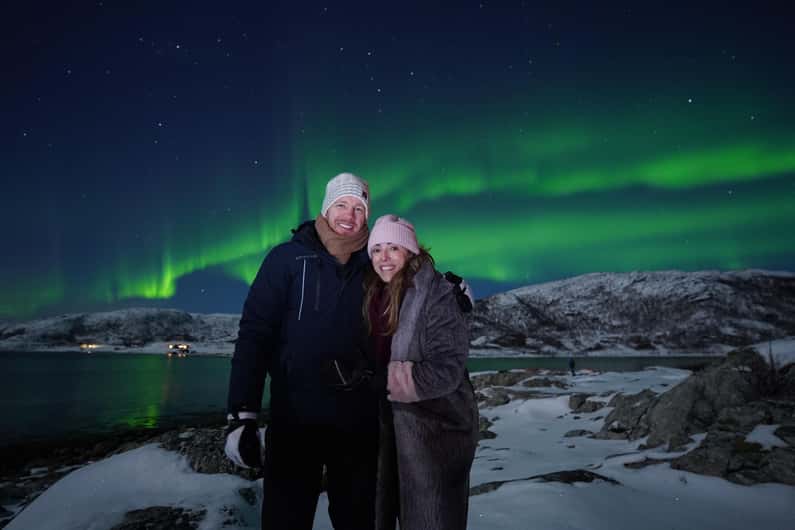 Aurora after darkLong-range small-group northern lights chaseA smaller road group can move towards clearer sky; sightings are never assured.From €152 per personCheck availability ↗︎
A sensible four-day March itinerary
Use the first suitable night for aurora, then give separate days to a snow activity and a coast outing. Keep the last block for the city, museums or a weather replacement. With three days, choose the daytime priority instead of squeezing in every category.
Whale watching is generally not a dependable March anchor. If it is essential, check the current season before setting your dates.
Primary sources
Conditions and public information can change. These sources were reviewed on 10 October 2026.
Time and Date: Tromsø sun and twilight ↗︎Yr: current Tromsø weather ↗︎Norwegian Public Roads Administration: live traffic ↗︎Common questions
FAQ
Is March a good time to visit Tromsø?
Yes for longer daylight, winter landscapes and possible northern lights. Specific activities still depend on weather and snow.
Can you see the northern lights in Tromsø in March?
Yes after dark when cloud and auroral activity cooperate. The useful viewing window shifts later as the month advances.
Does Tromsø still have snow in March?
Snow often remains, but ground and trail conditions vary by location and date. Check current conditions for each activity.
Does dog sledding run in March?
Many operators schedule March departures, subject to actual snow, route and availability. Check the selected product.
Can you go whale watching in Tromsø in March?
March is generally outside the usual whale-watching period; do not plan the trip around an assumed departure.
What should I wear in Tromsø in March?
Use adjustable warm layers, wind and wet-weather protection, grippy boots, gloves and a hat for exposed stops.
Next decision
Compare a March evening with a daylight outing
Compare daylight and evening departures by real duration, seasonal availability and weather terms.
Compare options